From Western Capes to Homegrown Hearts: How Indian Cinema is Redefining the Superhero
For decades, the superhero archetype arrived in India wrapped in Western imagery—the product of Marvel and DC's sprawling cinematic universes. Yet Indian filmmakers have increasingly resisted this mould, creating their own vision of what heroism means on screen.
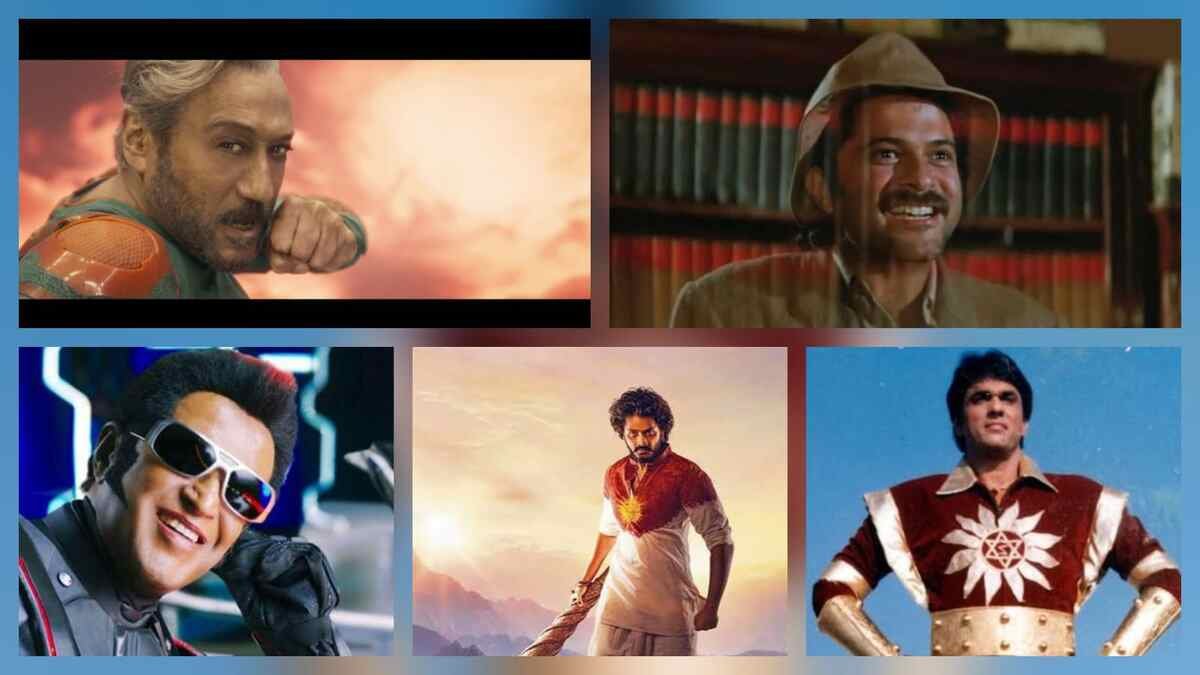
The journey has been marked by distinct phases. From the ambition-fuelled, VFX-heavy landscapes of Krrish and Robot 2.0 to the mythological resonance of Hanu-Man, Indian cinema has been gradually recalibrating its relationship with the superhero genre. Now, a fresh wave is emerging, one that prioritises emotional depth and intimate storytelling over technical grandeur. The upcoming release of The Great Grand Superhero, featuring Jackie Shroff, signals this transformation—a pivot toward nostalgia, family connection, and the quiet power of everyday moments.
The Invisible Protector: Mr. India (1987)
Long before the digital effects revolution, India crafted its first truly contemporary superhero. Arun Verma, the protagonist of Mr. India, embodied a different kind of heroism. Dressed in a faded jacket and hat rather than spandex, he wielded invisibility as a weapon against social corruption and the grotesque villain Mogambo. The film established a template for superhero narratives grounded in real-world struggle and injustice.
The Moral Guide: Shaktimaan (1997)
Television brought its own superhero mythology. Shaktimaan transcended the typical action-adventure formula to become a cultural institution for Indian youth. Commanding the five elements of nature, his true superpower lay elsewhere—in his function as a moral educator. The show's philosophy, captured in its mantra of "Chhoti Chhoti Magar Moti Baatein" (small but meaningful things), positioned the hero as a compass for ethical living rather than merely a fighter of villains.
The Hollywood Ambition: Krrish (2006) and Robot 2.0 (2018)
These films marked India's determined effort to match international production standards. Krrish introduced audiences to a sleek, gravity-defying protagonist designed for maximum visual impact. Robot 2.0 followed with enormous budgets and technical sophistication, weaving together themes of technology and environmental responsibility. Both prioritised spectacle and demonstrated that Indian cinema possessed the resources and expertise to compete globally on technical grounds.
Mythology Meets Modernity: Hanu-Man (2024)
This film functioned as a crucial bridge between past and present. By anchoring superhero powers in ancient mythology and giving them contemporary expression, Hanu-Man revealed something essential about Indian audiences' desires. They sought heroes connected to their own cultural inheritance—figures whose abilities stemmed from indigenous stories and childhood memories rather than laboratory accidents or extraterrestrial origins.
The Heart of the Matter: The Great Grand Superhero (2026)
The current transformation may prove the most significant yet. The focus is shifting from dazzling effects to meaningful storytelling, from the extraordinary to the intimate. The emerging hero no longer descends from distant skies but emerges from within homes and personal histories. In The Great Grand Superhero, Jackie Shroff embodies a different kind of strength—one rooted in affection, wisdom, and the understated magic of familial bonds. The superhero is becoming "apna hero," someone whose impact is measured not by worlds saved but by childhoods protected and wonder preserved.
Compare options