Beyond the Classroom: How Ocean Experiences Are Transforming Student Wellbeing and Conservation Leadership
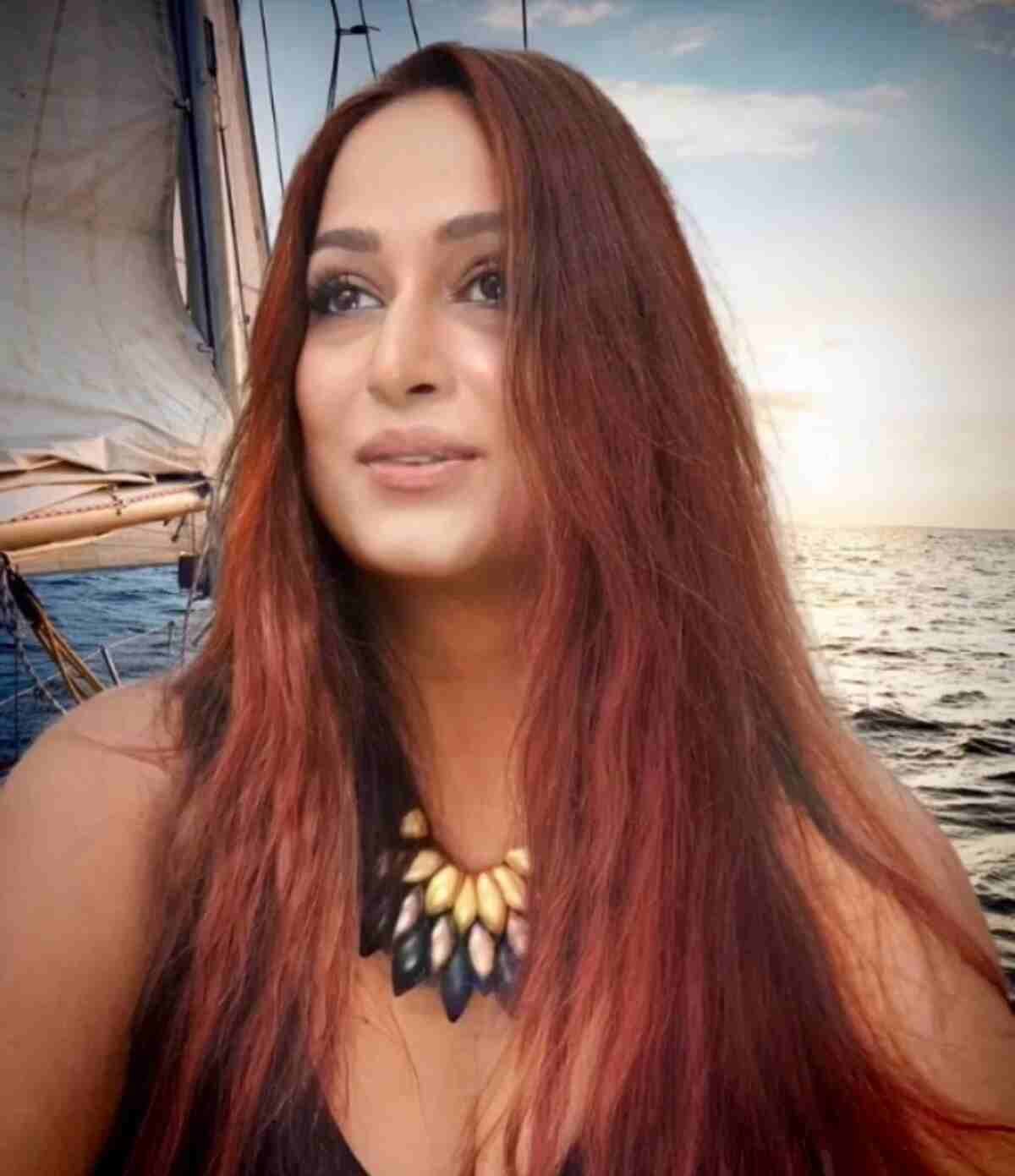
Universities worldwide are confronting a troubling surge in student mental health challenges—stress, anxiety, burnout and feelings of isolation are becoming increasingly prevalent. Yet ocean educator and accessibility advocate Elsie Gabriel sees a compelling solution in an unconventional setting: the marine environment itself.
For more than two decades, Gabriel has worked to bridge ocean conservation, youth empowerment, disability inclusion and environmental education. Through her organisation, Accessible Ocean Tourism, she has emerged as a prominent advocate for expanding participation in marine education, scuba diving, citizen science and conservation work. Her vision directly challenges the prevailing assumption that ocean-based experiences are reserved for those without physical limitations.
Gabriel's mission centres on ensuring that students, people with disabilities, older adults, neurodivergent individuals and communities that have historically been excluded all gain meaningful access to ocean spaces and the opportunity to become guardians of marine ecosystems.
"The ocean teaches lessons that cannot be learned from a textbook alone," Gabriel reflects. "It teaches humility, resilience, teamwork, empathy and interconnectedness. These are the very skills young people need to navigate an increasingly complex world."
The Silent Struggles of Today's Students
While disability is commonly associated with visible physical conditions, Gabriel points to a broader spectrum of challenges affecting young people today. Many carry invisible burdens—anxiety, depression, ADHD, autism spectrum conditions, trauma, sensory sensitivities and chronic stress.
"Many students are carrying burdens that are not immediately visible," she notes. "Academic pressure, climate anxiety, social media overload and uncertainty about the future are affecting an entire generation."
Scientific research increasingly demonstrates that exposure to coastal and marine settings can diminish stress levels, enhance emotional wellbeing and foster stronger social bonds. Gabriel's years of direct engagement with young people in marine settings have reinforced these findings.
"The ocean has an incredible capacity to restore perspective," she observes. "When students experience marine biodiversity firsthand—whether it's a coral reef, a sea turtle, a dolphin or a mangrove ecosystem—they often rediscover a sense of wonder that modern life tends to diminish."
From Observers to Active Stewards
Gabriel's approach distinguishes itself through its emphasis on hands-on engagement rather than passive learning.
She mobilises students as citizen scientists, conservation volunteers, environmental communicators and emerging leaders within their communities. Initiatives span coral reef monitoring, marine biodiversity documentation, coastal accessibility assessments, beach restoration efforts, participation in community conservation programmes and contributions to scientific research.
Through such activities, students link their immediate efforts to broader global issues—climate change, species extinction and environmental equity.
"Young people do not want to inherit solutions," Gabriel emphasises. "They want to help create them."
By positioning students as active participants in conservation, she transforms education into a deeply meaningful and empowering experience.
Valuing Traditional Knowledge Systems
Central to Gabriel's philosophy is the recognition of Indigenous and traditional ecological wisdom.
During her work with island and coastal communities, she has championed the importance of local knowledge systems, particularly those held by women. Indigenous and coastal women often carry centuries of understanding regarding marine ecosystems, fisheries, climate patterns, species diversity and sustainable resource practices.
"Conservation cannot succeed if it ignores the people who have lived alongside these ecosystems for centuries," Gabriel states.
She actively creates leadership pathways for women and girls in coastal regions, facilitating connections between time-honoured knowledge and contemporary conservation approaches. This reflects a conviction that environmental progress must be participatory, inclusive and grounded in community contexts.
Opening Ocean Access for All
Gabriel has become a vocal champion for inclusive tourism and adaptive diving practices.
Collaborating with diving operators, tourism enterprises and conservation groups throughout India and across the Indian Ocean region, she advocates for policies and practices that welcome people with physical disabilities, neurodivergent individuals, senior citizens and those requiring additional assistance.
Her argument is straightforward: inclusive design benefits the broader population.
"When destinations become accessible, entire families can travel together. Communities benefit economically, businesses expand their reach and more people become connected to the ocean," she explains.
Gabriel frames accessibility not as a specialised concern but as fundamental to sustainable tourism, social equity and the expanding blue economy.
Reimagining University Education
As higher education institutions search for fresh approaches to equipping students for a globally connected future, Gabriel contends that inclusive ocean engagement presents a compelling pathway.
By merging environmental sustainability, wellbeing, disability inclusion, community collaboration and planetary citizenship, students acquire hands-on experience tackling genuine challenges facing society.
Equally significant, they cultivate compassion, leadership capability and a heightened commitment to both communities and the natural world.
"The future of education is not only about knowledge," Gabriel concludes. "It is about connection—connection to communities, to nature and to one another."
For Gabriel, the ocean transcends its role as a biological system. It functions as an educator, a source of healing and a force for social transformation. In a time characterised by fragmentation, instability and environmental threat, she believes these lessons are more vital than ever.
Compare options