The "Built-In Stabilizer" Misconception: Why India's Premium Smart TVs Are Facing a Durability Problem
Bengaluru — As India's television market gravitates toward larger screens and advanced OLED and QLED display technologies, a problematic belief has emerged among consumers: the assumption that modern televisions possess adequate built-in stabilization capabilities. Yet technical specialists and performance analysis suggest that depending exclusively on internal electrical protection mechanisms may be substantially reducing the operational lifespan of India's most costly home entertainment devices.
The SMPS Confusion
Contemporary smart TVs employ Switch Mode Power Supply (SMPS) technology to transform alternating current into direct current. Though this approach offers efficiency benefits, the SMPS functions as an operational component rather than a safeguard mechanism. According to a technical representative from V-Guard Industries, "Operational tolerance is often confused with operational safety. An SMPS can keep a TV running during a dip or surge, but it does so at a high internal cost. Sustained voltage stress leads to increased operating temperatures, which silently degrades sensitive components over time."
The Electrical Grid Challenge
Despite ongoing infrastructure development, India's power supply remains inconsistent. Metropolitan regions experience voltage imbalances caused by peak-hour appliance usage, whereas smaller urban centers encounter recurrent brownouts. When electricity is restored following an interruption, the return often includes microsecond-duration high-voltage spikes capable of circumventing standard internal protections, potentially resulting in severe circuit board damage and costly repairs outside warranty coverage.
Silent Performance Deterioration
Beyond catastrophic failures lies a more insidious problem. Repeated exposure to unstable voltage causes gradual degradation of the television's performance. Internal components subjected to continuous electrical stress lose efficiency progressively, causing the display and processing capabilities to diminish well before the device should reach the end of its functional life.
The Warranty Limitation
Many consumers believe extended warranty plans provide comprehensive protection against electrical hazards. However, warranties operate as remedial instruments rather than preventative safeguards. While coverage may apply to specific repairs, warranties cannot prevent the cumulative physical damage from persistent power instability. Consumers frequently discover that warranty terms contain restrictions regarding environmental or electrical damage claims, leaving them exposed to substantial out-of-pocket expenses for repairs when voltage-related deterioration accumulates.
Investing in Proper Protection
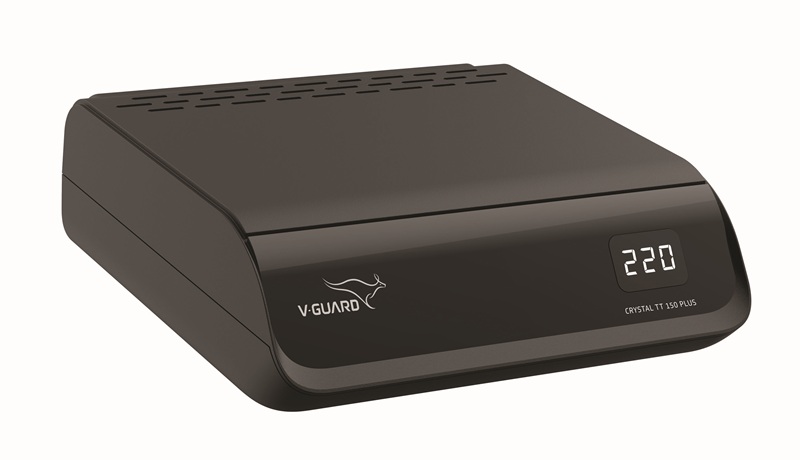
With smart televisions now functioning as central components of the contemporary home, the financial implications are substantial. Research demonstrates that external voltage regulation serves purposes beyond merely preventing equipment failure during storms; it enables proper thermal management. An external stabilizer maintains appropriate input voltage, allowing the SMPS to function within its designed temperature parameters and thereby preserving both the display's visual quality and the processor's performance capabilities across multiple years.
For discerning Indian consumers, the conclusion is straightforward: premium televisions merit premium-level protection measures.
Compare options