Muslim Organisations Press for Telangana Waqf Board Record Room Access
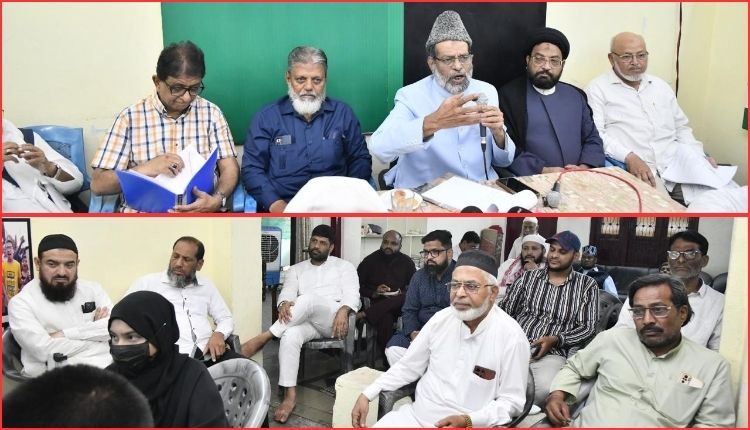
Hyderabad — A coalition of Muslim religious, social and community organisations has intensified demands for the Telangana Waqf Board to open its record room, which has remained sealed for close to a decade, restricting access to critical documentation on property holdings and legal matters.
The call came during a gathering in Hyderabad convened by Mohammed Mushtaq Malik, heading both Tehreek Muslim Shabban and Sharia Faisla Board. The session drew Islamic scholars, legal experts, mosque administrators and representatives from multiple community bodies.
Attendees challenged the absence of any legal justification for the prolonged closure, pointing out that restricted access has hampered resolution of matters concerning Waqf property disputes, encroachments and ownership claims. They further flagged concerns about irregular convening of board meetings, leaving numerous pending issues related to mosques, burial grounds, dargahs and management structures unresolved.
The gathering endorsed five key resolutions. The first called for immediate access to the record room. A second demanded full public disclosure of all properties under the board's control, including specifics on holdings, encroached land and properties tied up in legal proceedings.
The third resolution sought digitisation and publication of the board's financial records, with speakers emphasising that as custodian of religious and charitable assets, the organisation bears responsibility for financial accountability. The fourth demanded a comprehensive white paper detailing how Waqf properties have been lost, encroached upon or damaged, along with an inventory of remaining assets.
The final resolution sought to establish clear accountability for officials and board members, both current and former, in cases where Waqf properties faced loss or deterioration.
Allama Taqi Raza Abidi, president of Tanzeem-e-Mazahib, underscored that Waqf properties serve religious, charitable and welfare functions, and any misappropriation constitutes a breach of trust. Former MP Syed Aziz Pasha reiterated demands for record room reopening and transparency, while also calling for a CBI investigation into alleged irregularities.
High Court advocate Mirza Masood Ali Khan highlighted that proper documentation strengthens legal protections for Waqf properties in court proceedings, and urged identification of responsibility in cases where assets were lost. Congress leader and advocate Mujeebullah Shareef criticised the failure to conduct mandatory board meetings and advocated for improved administrative transparency.
Mufti Abdul Fattah Saheli pressed for immediate record room access and stronger enforcement against encroachments, while calling for enhanced legal protections for Waqf lands. Several speakers also recommended public education campaigns to inform Muslim communities about their rights and available legal remedies concerning Waqf properties.
The meeting discussed preparing a joint statement from participating organisations to raise awareness about governance and accountability concerns within the Waqf Board.
Compare options


