Telangana Opposes VBG Ramji Bill, Seeks Centre Withdrawal Over Financial and Rights Concerns
Telangana has formally petitioned the central government to withdraw the proposed VBG Ramji Bill, arguing that key provisions would substantially increase the financial burden on states while undermining the employment rights of rural workers.
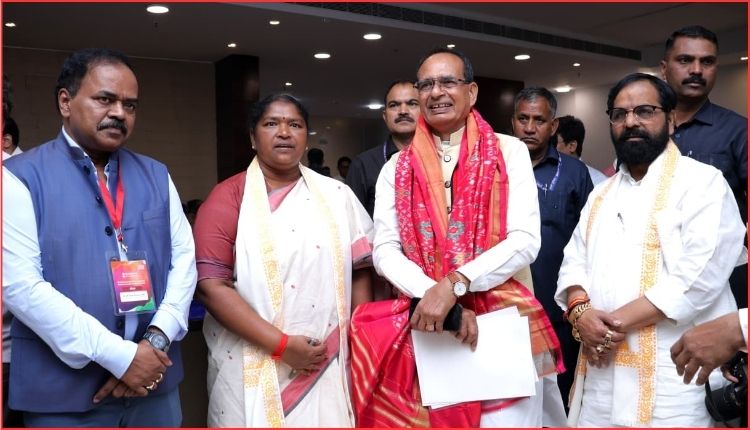
Rural Development and Panchayat Raj Minister Seethakka raised these objections during a meeting of state Rural Development Ministers convened by Union Minister Shivraj Singh Chouhan in New Delhi on Monday. The minister submitted a detailed memorandum to the Union government articulating Telangana's position on the contentious legislation.
The state's primary concern centres on the revised funding structure outlined in the bill. Under the current arrangement, the Centre finances the entire wage component under MGNREGS and covers 75 per cent of material costs. The proposed 60:40 funding split would require Telangana to shoulder an estimated Rs. 2,000 crore in additional annual expenditure, Seethakka stated.
Beyond fiscal implications, Telangana contends the bill would diminish employment guarantees for rural workers and curtail the authority of gram panchayats and state governments. The minister objected to the centralisation of planning, fund allocation, implementation and monitoring functions, emphasizing that MGNREGS should remain a rights-based programme rather than subject to centralised control.
The state has proposed an alternative approach to fund allocation. Rather than relying solely on the 16th Finance Commission's recommendations, Telangana suggests weighting actual employment demand more heavily—allocating 80 per cent of funds based on employment generated over the preceding five years and 20 per cent according to Finance Commission guidelines. The state also requested special consideration for tribal, backward and Fifth Schedule areas.
Seethakka advocated for expanding the scope of permissible activities under the proposed law. Her recommendations include Indiramma housing initiatives, individual land development, post-flood restoration efforts, nutrition gardens, bamboo plantations, vegetable cultivation structures, fodder development and work sheds. She called for greater state flexibility in project approvals to accommodate local requirements.
The minister also contested the mandatory 60-day employment gap provision, warning that mechanisation has already constrained rural employment opportunities. Implementing such a restriction would harm economically vulnerable households, she argued. Telangana requested exemptions for tribal regions, drought-prone areas, plantation activities and state housing schemes. Additionally, the state seeks a 90:10 Centre-State funding ratio for Fifth Schedule areas, comparable to arrangements in northeastern states.
Beyond the VBG Ramji Bill, Seethakka pressed the Centre on several outstanding developmental matters affecting Telangana. She urged expedited approval of houses under PM Awas Yojana, noting that beneficiary surveys were completed two years prior.
The minister also highlighted delays in forest and wildlife clearances for road projects funded under the Pradhan Mantri Gram Sadak Yojana. Projects in Adilabad, Bhadradri Kothagudem, Mulugu, Nallamala and Kawal Tiger Reserve areas have been affected by these administrative bottlenecks. Seethakka proposed establishing a mechanism to coordinate forest approvals with road project sanctions.
She further requested the release of pending central funds allocated for completed works. The Union Rural Development Minister responded positively to these concerns and committed to engaging with relevant ministries regarding forest clearance procedures.
Seethakka reiterated that Telangana would reach a final determination on the proposed legislation only after the state cabinet convenes on July 2. Following the cabinet's deliberations, the government will formally communicate its decision to the Centre.
Compare options