Telangana Media Academy Convenes Forum on Journalism's Digital Transformation
Hyderabad: Media practitioners have called for journalism professionals to embrace digital technologies and modern tools as the sector undergoes rapid transformation.
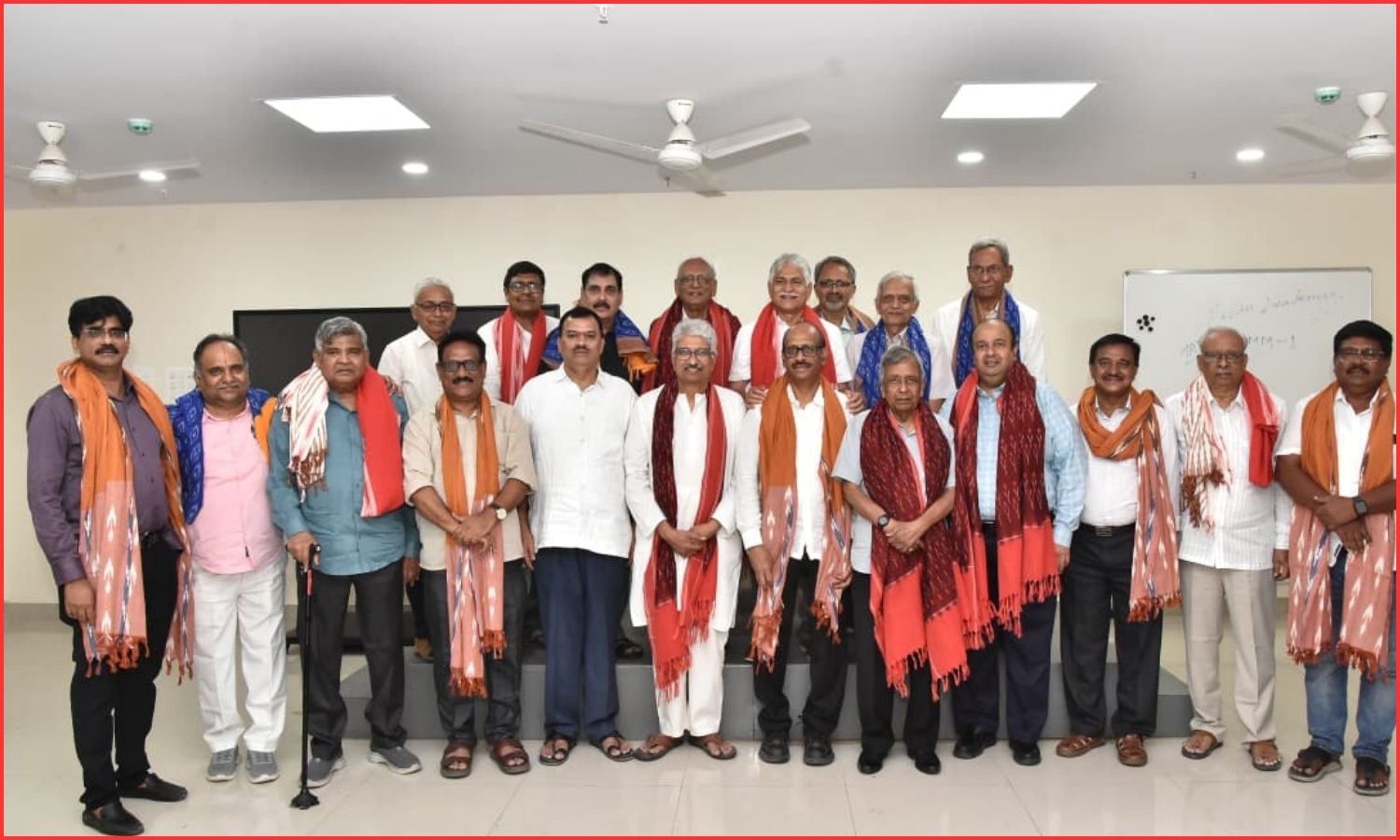
The Telangana Media Academy hosted a discussion forum at its Nampally premises on Tuesday, with K. Srinivas Reddy presiding. The gathering brought together accomplished journalists and academy members to examine media digitisation, journalism education, regulatory frameworks, and support systems for news professionals.
G. Mukund Reddy, Special Chief Commissioner of the Information and Public Relations Department, participated in the programme and engaged with attendees. Reddy shared how newspaper editorials he read as a student motivated him to pursue a career in civil services, reflecting journalism's formative influence on his professional trajectory.
Senior journalist I. Venkat Rao commended the Media Academy's initiatives and pledged additional book donations to strengthen its collection. Former MLC Ameer Ali Khan credited journalism with providing him professional credibility and public recognition.
Technology and Training Take Centre Stage
U. Sudhakar Reddy, a senior journalist, recommended that the academy establish digital learning facilities and create a media incubator to nurture emerging talent. He also advocated for curriculum addressing restrictive government orders affecting press freedom.
Devulapalli Amar, another prominent journalist, proposed systematically recording and publishing interviews with veteran media figures as a historical documentation project.
Many speakers highlighted artificial intelligence's expanding role in newsrooms, emphasizing that journalists must develop stronger competency in emerging digital platforms and tools. Participants advocated for specialized training modules, mentorship opportunities, and dedicated workshops tailored for editorial staff.
The forum also urged the academy to maximize its existing infrastructure, including the digital auditorium, meeting facilities, archival library, and computer labs. Participants recommended digitizing historical newspapers, rare publications, Telugu-language materials, and documents from the Nizam period to preserve them for future researchers and scholars.
Attendees offered to contribute significant volumes to the academy's library collection. Discussion also turned to modernizing media legislation to reflect contemporary realities and creating distinct ethical guidelines applicable to social media platforms.
Speakers reaffirmed that journalism carries an enduring responsibility to reflect societal concerns and disseminate factual information with editorial independence.
The academy, which has operated since 1996, received recognition from senior journalists for its contributions through publications, research papers, and professional development programmes. The Tuesday meeting drew numerous media professionals who exchanged perspectives on digital innovation, artificial intelligence integration, social media dynamics, professional training, and prospective sector reforms.
Compare options