Telangana Launches Initiative to Develop Mahua Flower Economy for Tribal Communities
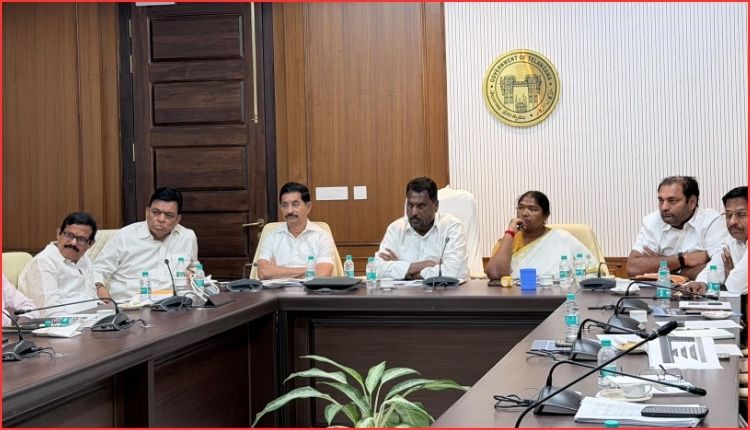
Telangana's administration is moving forward with an ambitious plan to harness Mahua flowers as a vehicle for economic development in tribal areas. Tribal Welfare Minister Adluri Laxman Kumar outlined the initiative at a workshop held at the Dr B.R. Ambedkar Telangana Secretariat on Friday, emphasizing the government's commitment to converting forest resources into reliable revenue streams for tribal populations.
The comprehensive approach aims to benefit tribal women, farmers, young people, and particularly vulnerable tribal groups. Officials recognize that Mahua flowers hold deep cultural significance and have historically supported food systems and rural economies across forest-dependent regions.
Expanding beyond conventional uses of the flower, state authorities are investigating diverse commercial applications. These include developing food products, exploring medicinal properties, establishing value-added processing industries, and creating rural micro-enterprises. The government intends to establish organized systems for collecting, preserving, processing, and distributing Mahua flowers throughout tribal zones to ensure consistent income for tribal families.
Panchayat Raj Minister Seethakka and Rajya Sabha member Vem Narender Reddy participated in the workshop discussions, reviewing the project's strategic components. The government plans to engage tribal women's collectives, self-help groups, and youth networks to maximize employment generation at the grassroots level.
Recognizing the potential of Mahua flowers as a food source, Seethakka highlighted possibilities for creating laddus, natural wellness foods, and conventional food preparations. She noted that seeds from the plant present additional opportunities for oil extraction. Further possibilities include developing nutritional items, wholesome snacks designed for children, grain-based foods, herbal beverages, and plant-based sweetening agents derived from Mahua.
The initiative emphasizes capacity building and market development, with plans to provide instruction to women's groups and establish Tribal Natural Food Brands in commercial markets. The government also intends to set up small-scale processing facilities in tribal villages and encourage young tribal entrepreneurs to launch ventures in this sector.
Minister Adluri Laxman Kumar stressed that the project addresses multiple priorities: poverty reduction, nutritional security, women's economic participation, and job creation for tribal youth. He emphasized strengthening the value chain for forest products as essential to revitalizing rural economies. Under Chief Minister A. Revanth Reddy's administration, tribal welfare and sustainable employment remain priority areas.
Officials have been instructed to implement pilot programs in coordination with relevant departments before rolling out the scheme statewide. The government remains focused on safeguarding tribal communities' rights to forest resources while simultaneously raising living standards through coordinated policy initiatives.
Compare options