Telangana Expands Global Capability Centres Beyond Hyderabad Core Zone
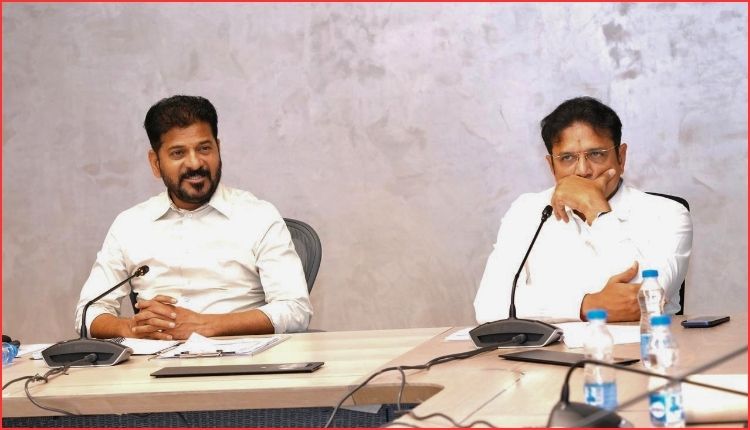
Telangana's government is moving to decentralise technology sector growth by pushing Global Capability Centres (GCCs) into secondary and tertiary cities across the state. During a review meeting on Wednesday with the IT and Industries departments, Chief Minister A. Revanth Reddy tasked officials with developing a comprehensive GCC policy aimed at drawing corporate investment beyond Hyderabad's Core Urban Regional Economy (CURE) zone.
The initiative seeks to harness emerging business corridors along the Nizamabad, Karimnagar and Warangal highways as alternative hubs for major companies. By channelling development into underserved areas between and beyond the CURE region, the state government hopes to distribute employment opportunities more equitably across Telangana.
"The Chief Minister suggested identifying clusters beyond the CURE region to support GCC and data centre expansion in underserved locations," officials noted following the meeting. Minister D. Sridhar Babu and senior department heads participated in the strategic session.
The decentralisation strategy forms part of a broader vision to position secondary and tertiary urban centres as engines of future economic expansion. Alongside the GCC push, the government plans to develop technology and digital infrastructure corridors that would attract data centre investments to regions currently lacking such facilities.
The policy initiative connects directly to the state's ambitious Bharat Future City project. Revanth Reddy instructed departments to maintain net-zero environmental principles and adhere to international standards in the development of this new urban complex. The government has also prioritised trunk infrastructure development across proposed zones within Bharat Future City.
In a significant move for healthcare infrastructure, the state intends to pursue one of five regional medical hubs announced in the Union Budget. This Health City project would operate under the Bharat Future City framework, with Revanth Reddy indicating he would escalate discussions with Prime Minister Narendra Modi if necessary to secure the facility.
The AI City project, another cornerstone of the development agenda, received renewed attention after officials reviewed global best practices in artificial intelligence infrastructure. The Chief Minister has directed accelerated progress on Bharat Future City construction to enable foundation stone ceremonies in the industrial corridor.
To bolster investor confidence, companies receiving land allocations in Bharat Future City will be required to sign memoranda of understanding for workforce skilling and certification initiatives. This ensures alignment between corporate expansion and local talent development.
The government is simultaneously establishing "Invest Telangana," a dedicated investment promotion agency designed to streamline the investor experience. The proposed structure will incorporate senior officials from Finance and Energy departments as special invitees to expedite approvals and enhance operational efficiency.
"Officials said the government would form a society for Invest Telangana with a dynamic structure focused on aggressive investment promotion," the meeting revealed. The agency will employ escort officers to guide investors from their initial arrival in Hyderabad through the operational launch phase.
In a move to strengthen digital infrastructure, Revanth Reddy mandated that all government offices transition to T-Fiber internet connections within three months. Government departments have already demonstrated the value of this shift, securing orders valued at ₹54 crore over the previous six months after transitioning from private internet service providers to T-Fiber services.
Compare options