Telangana Steps Up Campaign Against Crop Residue Burning
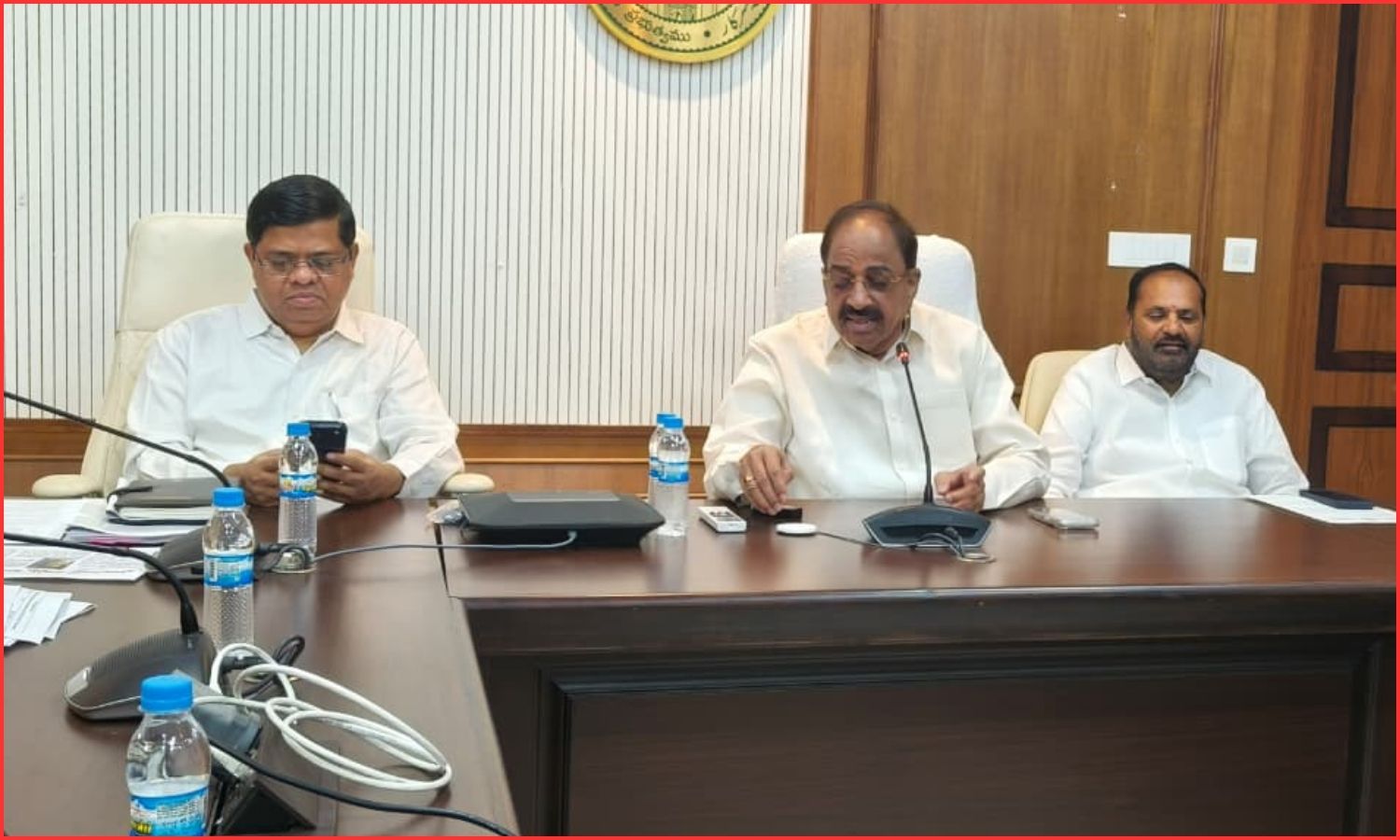
Hyderabad: Tackling the practice of crop residue burning has become a priority for the Telangana administration, which is concerned about its cascading effects on soil health, the environment, and community health.
At the "Rythu Nestham" programme held on Tuesday, Agriculture Minister Tummala Nageswara Rao underscored the urgency of the issue and called on multiple stakeholders to join forces. He emphasized that preventing such burning represented a shared responsibility requiring cooperation among farmers, agricultural experts, government officials, and elected representatives to advance sustainable farming practices.
The minister highlighted the scientific consequences of burning agricultural waste. When crop residue is burned, it destroys organic carbon and the microorganisms that support soil health. This practice erodes soil fertility and ultimately hampers crop production. Beyond the fields, burning agricultural waste degrades air quality and triggers respiratory, ocular, and dermatological ailments among the population.
Tummala Nageswara Rao also drew attention to recent fatal incidents where farmers have lost their lives in fires connected to agricultural waste burning. He cautioned farmers to refrain from setting fire to crop residue and to exercise care during land-clearing operations.
Rather than burning, the minister advocated for incorporating crop residue directly into the soil. This approach enhances the soil's capacity to retain moisture and boosts organic carbon content. Additionally, it lowers the need for chemical fertilizers and can lead to improved harvests.
To facilitate this transition, the government has committed to providing rotavators, mulchers, and shredders at subsidized rates for farmers seeking to adopt these methods.
At the same event, Ram Anjaneyulu, a chief scientist at Professor Jayashankar Telangana State Agricultural University, elaborated on the scientific principles and environmental consequences of agricultural waste burning. Farmers representing various parts of the state also participated, sharing firsthand accounts of how residue management techniques have boosted their productivity while eliminating the need to burn farm waste.
K. Surendramohan, the Agriculture Secretary, noted that the department is actively running programmes focused on balanced nutrient application, soil analysis, and science-based cultivation methods.
Authorities have also cautioned that burning crop residue breaches environmental legislation and may result in fines. The government is urging farmers to embrace residue management strategies as a means to preserve soil quality and safeguard the natural environment.
Compare options