Telangana Police Launch Comprehensive Anti-Narcotics Campaign as DGP Prioritizes Drug Elimination
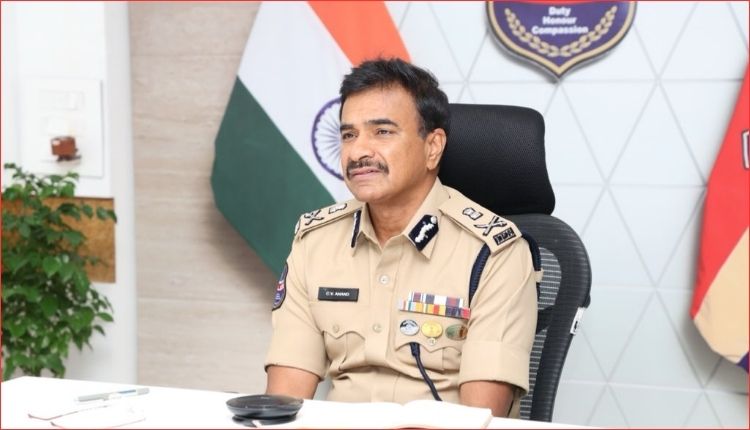
Hyderabad — Telangana's newly appointed Director General of Police C.V. Anand has signaled a major push to establish the state as drug-free, making the issue the focal point of his inaugural official review meeting with law enforcement agencies.
During an extensive three-hour session at Eagle Force Anti-Narcotic Bureau headquarters on Thursday, Anand outlined an ambitious strategy to eliminate narcotics from Telangana. He emphasized that Chief Minister A. Revanth Reddy has already provided clear mandates to pursue this goal, and stressed the necessity of public participation in addressing what he characterized as a crisis threatening the state's youth.
Anand's approach draws inspiration from successful counter-insurgency models. He envisioned Eagle Force functioning as an elite action group comparable to Greyhounds and SIB, which previously combated Naxalite activities across the state. Having observed the severity of drug proliferation during his tenure in central services as an airport security official, Anand cautioned that merely establishing a bureau would prove insufficient without comprehensive implementation.
The DGP called for coordinated action across Telangana's entire police apparatus, while simultaneously addressing cybercrime and traffic violations as parallel priorities.
Rising Enforcement Numbers Signal Intensified Operations
Police statistics demonstrate escalating enforcement activity over the past three years. In 2023, authorities registered 1,464 drug cases, a figure that climbed to 2,734 by 2025. Corresponding arrests increased from 3,157 to 5,703 during this period. Anand attributed this surge to enhanced surveillance and stricter enforcement mechanisms rather than increased drug prevalence.
Notably, Telangana achieved an average of 3.1 arrests per drug case, substantially exceeding the national average of 1.3 arrests, indicating broader dismantling of trafficking operations beyond apprehending street-level distributors.
Financial Networks and International Cartels Under Scrutiny
The anti-narcotics campaign extends beyond traditional enforcement. Police have issued 386 freezing memos under Section 68F of the Narcotic Drugs and Psychotropic Substances Act to immobilize financial assets connected to drug operations. Authorities continue the process of attaching illegal properties worth multiple crores of rupees.
During the review, officials informed Anand that police have dismantled Nigerian drug cartels and hawala networks functioning within the state. Enhanced surveillance technologies have also exposed illegal transportation channels utilizing courier services. Additionally, authorities deported 93 foreign nationals involved in drug-related activities.
Educational Institutions Face Accountability
Anand issued stern warnings to schools and colleges regarding institutional responsibility. He cautioned that establishments attempting to conceal drug abuse incidents to protect reputation would themselves face consequences. The police chief indicated that existing 4,500 anti-drug committees have underperformed, prompting plans to establish integrated committees addressing drugs, ragging, cybercrime, women's safety, and traffic violations simultaneously.
Authorities are developing proposals requiring students to sign declarations pledging abstinence from narcotics upon school and college admission.
Improved Conviction Rates
Anand commended Eagle Force Director Sandeep Shandilya and his team for improving conviction outcomes in drug cases, which rose from 19 percent to 28 percent. The DGP announced plans to personally visit districts for training initiatives and distribute specialized instructional materials to law enforcement personnel.
Compare options