Telangana Submits Plan to Diversify Away From Paddy and Cotton Cultivation
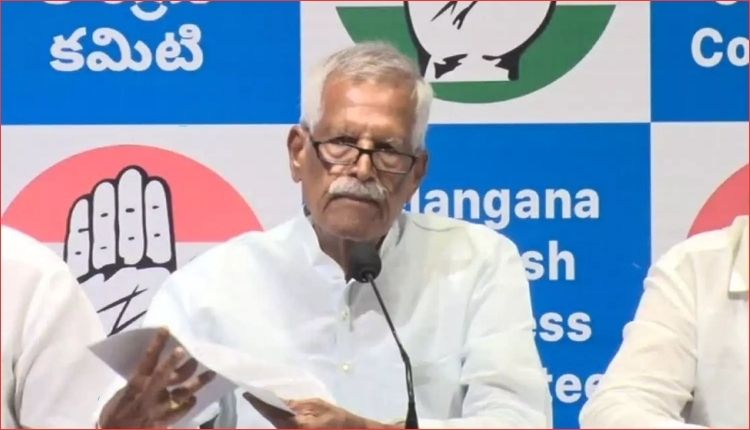
Hyderabad: On Saturday, the Telangana Agriculture and Farmers Welfare Commission delivered its findings on crop diversification to Agriculture Minister Tummala Nageswara Rao, with Commission Chairman M. Kodanda Reddy leading the presentation of the document.
The report underscores the urgency of breaking the state's entrenched dependence on paddy and cotton farming, proposing instead a strategic shift towards horticulture, pulses, millets and oilseeds. These alternative crops are positioned as key to achieving greater agricultural sustainability across the region.
According to the Minister, paddy currently accounts for approximately 1.30 crore acres of cultivation during both the Kharif and Rabi seasons. In response, Tummala Nageswara Rao has instructed the Agriculture and Horticulture departments to formulate a concrete action plan that would redirect at least 13 lakh acres away from paddy production within the next three years.
The diversification strategy prioritizes crops with demonstrated market viability. The Minister has asked officials to develop implementation frameworks that enable farmers to transition towards higher-value crops while securing improved income prospects.
Telangana has already begun expanding oil palm cultivation, which covered 45,000 acres in the current year. The Minister has directed officials to scale this further, targeting one lakh acres by the following year, contingent upon rigorous planning and coordinated execution.
The Minister also flagged deficiencies in the existing Seeds Act administered at the national level. He highlighted the absence of clear provisions for farmer compensation when inferior quality seeds cause crop failure. Tummala Nageswara Rao has called for legislative amendments that would grant state governments greater autonomy in seed regulation, working alongside central authorities rather than under their exclusive purview.
The Agriculture Commission's report emphasizes that diversification is essential for enhancing the resilience and viability of farming in Telangana, while simultaneously reducing the structural vulnerability created by excessive concentration on paddy and cotton production.
Compare options