PESA Act Central to Tribal Empowerment and Grassroots Governance, Says Minister Seethakka
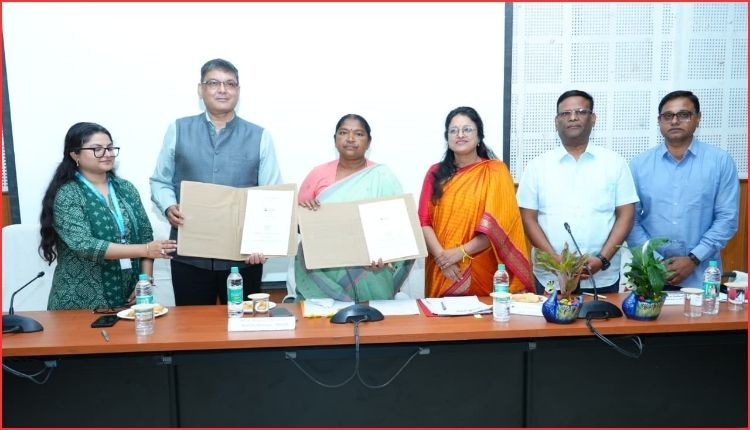
Hyderabad: The Panchayat Raj, Rural Development, Women and Child Welfare Minister Dr. Danasari Anasuya Seethakka has underscored the importance of implementing the Panchayats Extension to Scheduled Areas (PESA) Act as a means to defend tribal interests, empower Gram Sabhas and foster democratic participation in Scheduled Areas.
The minister opened a two-day state workshop examining the PESA Act's contribution to strengthening Panchayat Raj institutions in Scheduled-V Areas on Tuesday at the Telangana Institute of Rural Development (TGIRD) in Rajendranagar. The June 10-11 event drew together sarpanches, panchayat secretaries, MPDOs, Panchayat Raj officials, PESA mobilisers, coordinators, representatives from civil society groups and subject matter experts.
Seethakka outlined that the workshop sought to build knowledge and competency among administrators, elected officials and implementation partners regarding the legislation's provisions and implications.
PESA as Constitutional Protection for Tribal Communities
The minister characterized the PESA Act not simply as legislation but as a constitutional instrument protecting tribal dignity, autonomy and entitlements to natural resources. She asserted that villages form the nation's foundation and that advancement in tribal areas hinges on functioning, capable Gram Sabhas.
According to Seethakka, the Act vests Gram Sabhas with authority over decisions affecting land, forests, water and mineral resources in Scheduled Areas. Nonetheless, implementation obstacles persist in practice, she noted.
Seethakka flagged ongoing concerns about unlawful practices in certain zones and the transfer of natural resources to large enterprises without meaningful consultation with inhabitants. "Corporations cannot relocate communities in keeping with the PESA Act's principles. The fundamental challenge lies in how widely these rights are understood. Those administering the law must grasp it thoroughly," she remarked.
The minister maintained that genuine justice for tribal populations would emerge only when the law was executed authentically.
Strengthening Village Governance Structures
The PESA Act equips village leaders with expanded responsibilities in determining local development priorities, Seethakka explained. She positioned Gram Sabhas as the bedrock of participatory democracy and called for their continued reinforcement.
Drawing on her background in grassroots activism and upbringing in tribal communities, the minister reflected on how these experiences deepen her perspective on tribal welfare matters. She described protecting tribal rights as a personal commitment and expressed pride in her current ministerial role.
Referencing her past involvement with organizations dedicated to tribal advancement, Seethakka connected these engagements to her dedication to serving the public interest. She stressed that elected leaders must champion marginalized populations and work toward alleviating poverty.
The minister also pointed to disparities between urban progress and the status of isolated tribal settlements. She observed that numerous tribal regions continue facing infrastructure shortages while natural resource bases deteriorate. This reality, she argued, makes reinforcing village panchayats and Gram Sabhas increasingly vital.
Technology and Digital Platforms for Rural Governance
Seethakka invited workshop participants to contribute their field experiences, recommendations and challenges openly. She expressed optimism that collaborative dialogue would surface practical approaches to obstacles hindering PESA implementation and inform enhanced frameworks for tribal development.
The minister highlighted the "Sarpanch Samvad" digital application created by the Panchayat Raj Department. This platform allows approximately 4,500 village heads throughout Telangana to share effective strategies and address collective challenges. The tool has earned recognition at the national stage, according to Seethakka.
She emphasized that the administration is leveraging digital innovation to enhance efficiency and accountability in rural administration. The minister called for rigorous execution of the PESA Act at community level, stating that the legislation must produce meaningful improvements in people's circumstances and reinforce tribal self-determination by honoring Gram Sabha decisions.
Compare options


