IHW Council Champions TENxCARE Framework at Major Healthcare Summit in Hyderabad
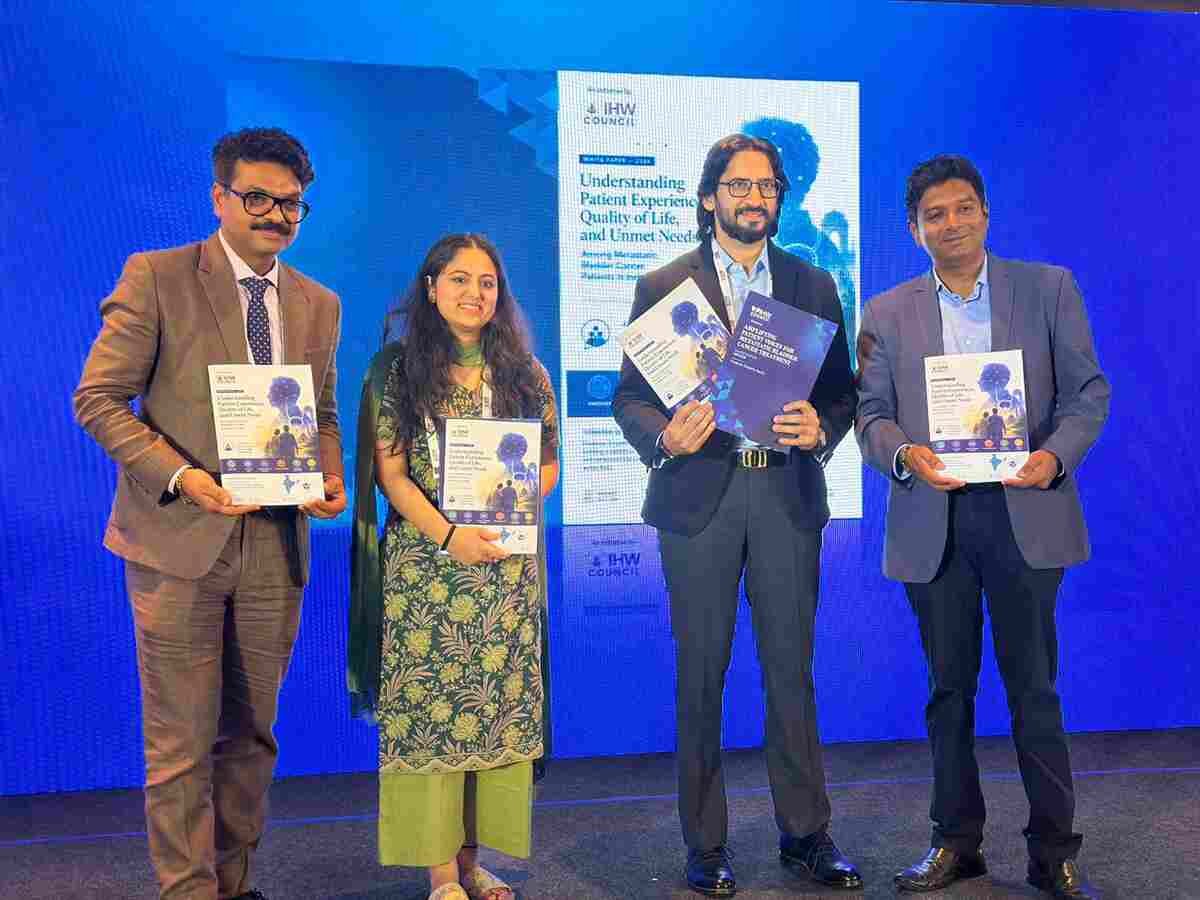
Hyderabad hosted a significant convergence of India's healthcare ecosystem on May 12, 2026, as the Integrated Health & Wellbeing (IHW) Council wrapped up the fifth edition of its Patient First Summit & Awards alongside the third Smart Hospitals & Diagnostics Summit. The two-day event at Novotel HICC drew policymakers, hospital leadership, diagnostics experts, pharmaceutical companies, technology firms, patient advocates, and public health specialists to advance a patient-first approach across the country's medical landscape.
Shifting Focus from Infrastructure to Patient Outcomes
This year's summit marked a departure from traditional discussions centered on hospital capacity and technological deployment. Instead, the gathering emphasized reimagining healthcare systems to prioritize patient needs, individual experiences, and concrete health outcomes. Operating under the banner "TENxCARE: Guiding Principles for a Patient-First Future," the summit introduced a structured methodology for integrating empathy, equity, safety, accountability, and accessibility throughout India's healthcare infrastructure and service delivery.
Digital Innovation Meets National Health Priorities
The concurrent Smart Hospitals & Diagnostics Summit examined how artificial intelligence, digital platforms, automated systems, and advanced diagnostic tools can create interconnected, data-informed healthcare delivery. These discussions aligned with government initiatives including Ayushman Bharat, the Digital Health Mission, eSanjeevani, and the overarching Health for All framework.
Cancer Care Study Highlights Patient Gaps
A significant moment came with the release of a White Paper examining "Amplifying Patient Voices in Metastatic Bladder Cancer." Drawing on mixed-methods research, the document analyzed how metastatic bladder cancer patients in India navigate their care journey. The investigation uncovered substantial obstacles: delays in diagnosis, intense symptom management challenges, strain on family caregivers, fragmented care coordination, and financial hardship. The paper subsequently outlined concrete policy measures to enhance how India's healthcare system addresses cancer patients' needs.
Quality of Life Takes Center Stage
A dedicated session explored how modern cancer treatment extends beyond disease management to encompass patient wellbeing. Participants discussed managing treatment-related side effects, mental health support, life after treatment, rehabilitation pathways, caregiver resources, and ensuring patients shape their own care choices.
Dr. Nikhil Ghadyalpatil, Director of Medical Oncology at Apollo Health City in Hyderabad, underscored this evolution: "Cancer care today is no longer limited to treating the disease alone. Patients are increasingly becoming active participants in treatment decisions, especially as conversations around quality of life, treatment toxicity, survival, and organ preservation become more important. With advances in immunotherapy, personalized therapies, and bladder preservation strategies, the focus is not only on helping patients live longer, but also helping them live better with dignity, empathy, and stronger support systems throughout their treatment journey."
The session featured perspectives from Dr. Udita Joshi, Director for Projects & Research at CanSupport, alongside Dr. Ghadyalpatil's insights.
A New Measurement Framework for Healthcare Transformation
Kamal Narayan Omer, CEO of the IHW Council, challenged the conventional metrics for assessing healthcare progress. He argued that meaningful transformation requires moving beyond counting new hospitals or tech installations toward ensuring care remains unbroken, holds itself accountable, and genuinely reflects patient circumstances. "India's healthcare transformation can no longer be measured only by the expansion of hospitals or adoption of technology. The real benchmark is whether care becomes continuous, accountable, and genuinely centred around the patient's lived experience," he remarked.
The Ten Pillars of Patient-First Care
The TENxCARE framework articulates ten foundational elements for patient-centered healthcare systems:
- Empathy and respect
- Equity in access
- Shared decision-making
- Personalized and predictive care
- Patient safety
- Family support
- Seamless continuity of care
- Feedback and accountability
- Patient advocacy
- Health literacy
Practical Models for Replication
The summit introduced "The Purple Book," a compilation of 21 case studies documenting how hospitals, diagnostic facilities, pharmaceutical companies, and public health organizations have successfully implemented patient-centric approaches. The collection positions these interventions as templates that other healthcare entities across India can adopt and adapt.
Recognition for Healthcare Excellence
The event concluded by presenting Patient First Awards and Smart Hospitals & Diagnostics Awards, celebrating institutions, programs, diagnostic providers, innovators, and individual professionals demonstrating commitment to patient-centered care.
A Broader Transformation Underway
The Hyderabad gathering reflected a fundamental reorientation occurring within India's healthcare sector—one that prioritizes accessibility, transparency, human-centered values, and measurable results alongside infrastructure growth. The summit's 2026 edition positioned patient-centricity not as an aspirational goal but as an essential, quantifiable priority guiding India's next chapter of healthcare development.
Compare options