Telangana Plans Massive Indiramma Housing Initiative with One Lakh Units on Government Land in CURE Area
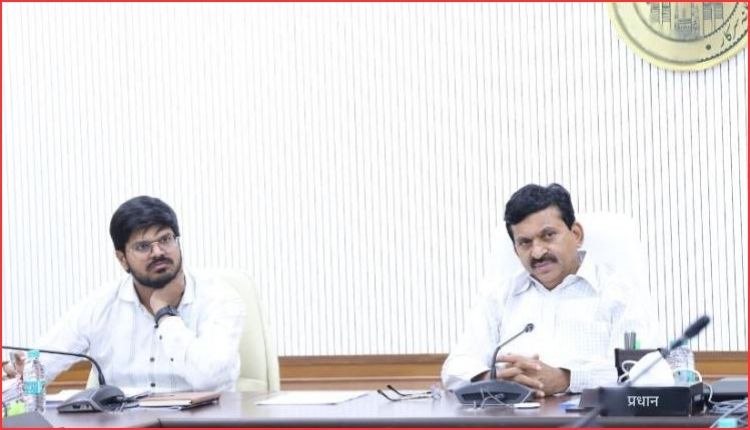
The Telangana government is set to undertake an ambitious housing construction programme, with Revenue, Housing, Information and Public Relations Minister Ponguleti Srinivasa Reddy announcing plans to build one lakh Indiramma houses in the CURE area on premium government-owned land. The initiative will vest ownership rights with beneficiaries, with particular emphasis on empowering women.
During a review meeting at the Secretariat on Friday, the Minister outlined a strategy centred on constructing homes in proximity to where disadvantaged families currently live, thereby preserving their economic activities and employment connections. The programme will extend benefits to both Low-Income Group and Middle-Income Group households.
The government has already secured administrative approval for 3.50 lakh housing units during the 2026-27 financial year. Within this allocation, one lakh units designated as Indiramma houses will be developed in the CURE area, while the remaining 2.50 lakh units will be distributed across other parts of the State.
Addressing previous policy missteps, Ponguleti highlighted failures in earlier housing initiatives where double-bedroom accommodations were constructed 30 to 40 kilometres away from Hyderabad without accounting for livelihood considerations. This approach had proven counterproductive, as many labourers and small business owners depend on urban employment opportunities.
The distance created complications for families regarding employment prospects, schooling access, healthcare facilities, and commuting arrangements. Consequently, numerous beneficiaries showed reluctance to occupy these distant housing units, resulting in widespread vacancies and underutilisation of the housing stock.
The current administration's approach differs fundamentally, prioritising construction of residences within accessible distances of beneficiaries' current locations. This strategy ensures families can maintain their occupational pursuits while simultaneously accessing improved housing conditions.
A cornerstone of the initiative involves granting property ownership primarily to women from economically disadvantaged backgrounds. The Minister stressed that such ownership arrangements would bolster women's financial independence and social standing. Additionally, home ownership is expected to foster family cohesion, strengthen women's agency, and create positive outcomes for subsequent generations.
The Minister instructed officials to customise housing designs based on beneficiary requirements. Each residential unit will maintain a minimum built-up area of 400 square feet, with designs prioritising both comfort and practicality while reflecting the aspirations of low-income households.
Housing Secretary V.P. Gautham and other departmental officials were present during the review proceedings.
Compare options


