Research Shows Namma Metro Yellow Line Could Significantly Boost Health and Living Standards for Bengaluru Residents
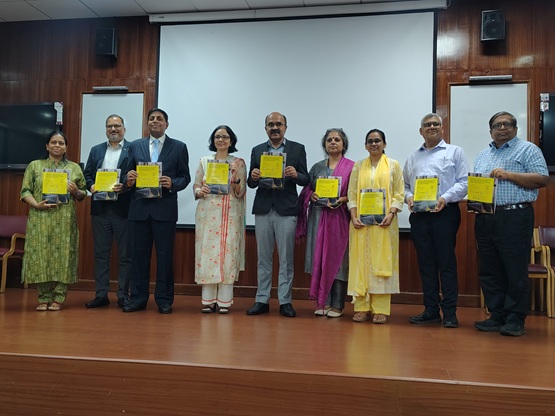
A landmark investigation into the health and lifestyle impacts of Bengaluru's Namma Metro Yellow Line has revealed promising results for the city's commuters and residents. The research, conducted by the Indian Institute of Science's Sustainable Transportation Lab and supported by Biocon Foundation, marks the first comprehensive longitudinal study of its kind examining any metro rail corridor in India.
The research initiative, titled "Assessing the Impact of Yellow Line Mass Rapid Transit (MRT) System on Public Health and Quality of Life: A Sustainable Urban Mobility Perspective," was jointly supported by Biocon Foundation, the Electronics City Industries Association, and the Bengaluru Science and Technology Cluster anchored at IISc. The collaboration demonstrates how cross-sector cooperation can drive evidence-based solutions for sustainable urban transportation.
The investigation employed a rigorous methodology, surveying 600 commuters and residents along the corridor. Baseline data was collected in September 2025, with follow-up assessments conducted in March 2026, six months after metro operations commenced on the Yellow Line.
Results demonstrate substantial potential for the metro system to deliver health and lifestyle improvements. The data shows that metro usage correlates with increased physical activity through additional walking, reduced air pollution exposure, decreased heat exposure, enhanced mental wellbeing, stronger community connections, improved workplace performance, and lower risk of road accidents due to reduced reliance on two-wheelers.
Public receptivity to the new transit option proved strong, with 83 percent of respondents indicating willingness to transition to using the Yellow Line for their commutes.
Dr. Anupama Shetty, Mission Director at Biocon Foundation, emphasized the broader significance of the findings: "We have long held that access to sustainable public transport is essential for creating healthier, more equitable cities. This research confirms that mass transit systems function as more than just mobility infrastructure—they represent powerful catalysts for public health advancement, environmental sustainability, and enhanced living standards. The study underscores the importance of comprehensive mobility solutions, including improved last-mile connections and robust pedestrian safety measures. Sustainable transport must remain central to Bengaluru's urban development strategy."
Prof. Ashish Verma, the study's Principal Investigator and Professor of Transportation Systems Engineering at IISc, noted the broader implications: "This Yellow Line investigation can establish a framework for examining how shared mobility, electric transit, and active transportation modes advance not only sustainable movement but also wider development priorities including liveability, health outcomes, wellbeing, and environmental protection. The evidence demonstrates that public transport investments should be understood as critical health interventions that improve air quality, health metrics, and overall living standards."
Shri Anantharaman, Chief Executive Officer of the Foundation for Bengaluru Science and Technology Cluster, highlighted the research's policy relevance: "The BeST Cluster exists to bring scientific rigor and evidence-based analysis to Bengaluru's most challenging urban issues. This investigation exemplifies our approach by combining transportation engineering expertise with public health scholarship to generate practical guidance for decision-makers. We anticipate these results will inform strategies by metro authorities, urban planners, and government agencies working toward a healthier, more sustainable Bengaluru."
The research team, led by Prof. Verma, included Dr. Priyanka Das and Ms. Ann Das, with guidance from Prof. Prabhdeep Kaur of the Isaac Centre for Public Health at IISc and Prof. Aruna Sivakumar of Imperial College London.
The study's recommendations include strengthening connections between metro stations and surrounding areas through feeder bus services and shared mobility platforms, enhancing pedestrian infrastructure around stations, incorporating health considerations into transportation planning frameworks, and promoting metro systems as pollution-reducing alternatives that support mental and social wellbeing.
The findings position the Yellow Line research as a replicable model that could yield comparable benefits across other Namma Metro corridors, offering a template for how transit infrastructure investments can serve as vehicles for public health advancement and sustainable urban development.
Compare options


