Hyderabad to Launch Emergency Water Pumping from Singur Reservoir as Demand Surges
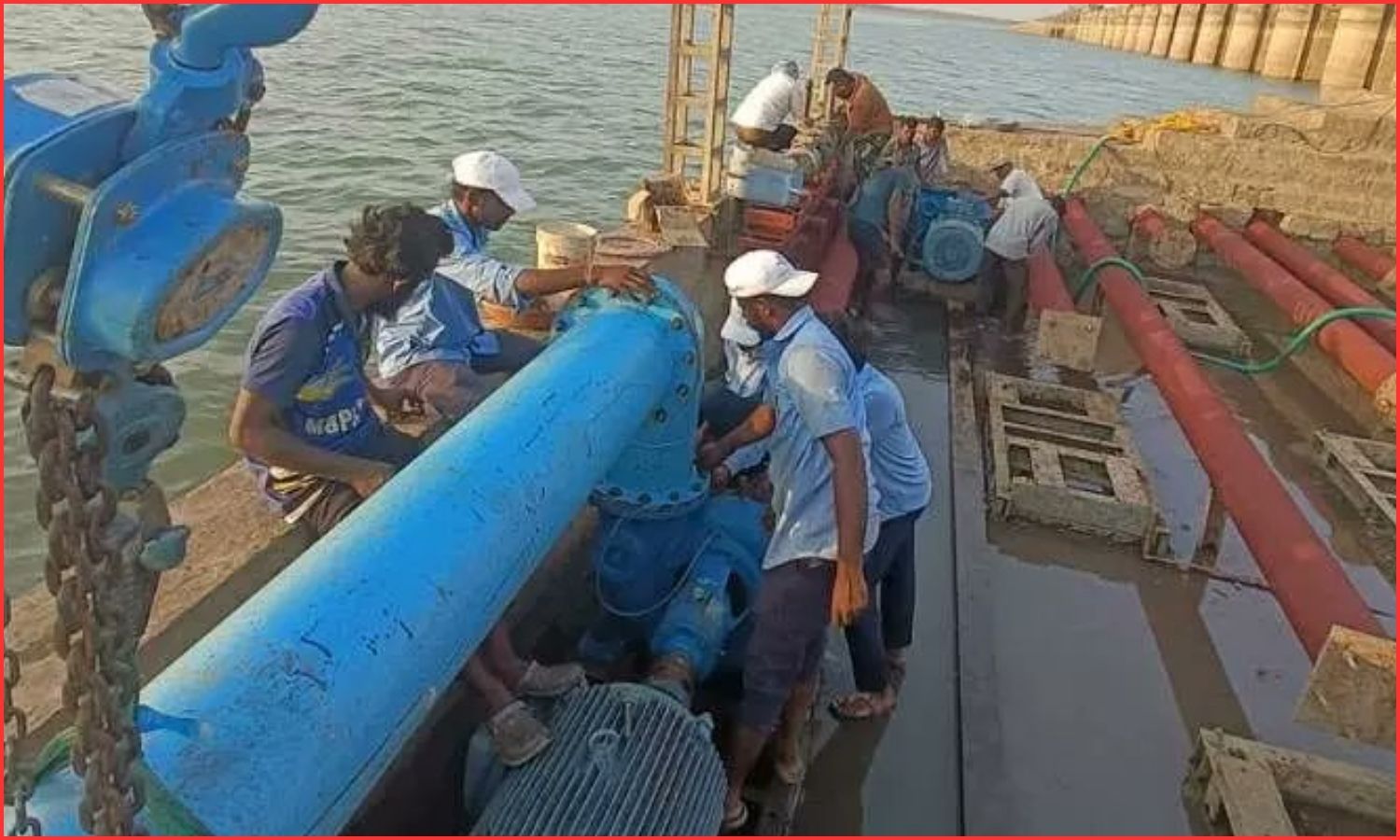
Hyderabad faces intensifying water stress as the city prepares to activate emergency pumping operations at Singur Reservoir from June 1, marking a significant escalation in efforts to manage surging demand.
The Hyderabad Metropolitan Water Supply and Sewerage Board (HMWS&SB) will tap into the reservoir to supplement the city's existing supply of approximately 550 million gallons daily (MGD), which currently serves nearly 14 lakh connections across three municipal corporation zones within the CURE limits.
The decision comes as groundwater depletion has accelerated dramatically, forcing residents to abandon dried-up borewells and rely entirely on municipal supply. This shift has triggered a sharp spike in water tanker bookings, with residents now requesting nearly 13,000 tankers every day. The utility has committed to fulfilling these orders within 24 hours.
The highest concentration of tanker demand originates from affluent and technology-hub areas including Banjara Hills, Jubilee Hills, Gachibowli, Ayyappa Society, Madhapur, Hitec City, SR Nagar, Manikonda and Kukatpally.
HMWS&SB Managing Director Ashok Reddy has instructed officials to complete all preparatory work to ensure consistent water availability. He reviewed operational readiness as authorities grapple with a critical shortfall exacerbated by weak rainfall this year. In contrast, the city received substantial precipitation during April and May of the previous year, which had alleviated water stress.
Currently, Singur Reservoir maintains a water level of 516.080 feet, with available storage capacity estimated at 5.477 TMC (Thousand Million Cubic feet). Officials project that once emergency pumping begins at a partial scale, the reservoir will retain approximately 5.340 TMC at the 516-foot mark.
Reddy conducted an inspection of emergency pump-set alignment works under the Patancheru Transmission Division-2, directing officials to complete pump alignment, electrical connections, and mechanical installations according to schedule. He emphasized the importance of inter-departmental coordination to ensure timely activation of the emergency system and mandated adherence to quality standards and safety protocols while addressing technical complications promptly.
Compare options