De Beers and Sotheby's Conclude 2026 Global Auction Series with New York Sale
The prestigious partnership between De Beers and Sotheby's reached its conclusion in 2026 with a New York auction that capped an ambitious global exhibition spanning three continents. Earlier stops in Hong Kong and Geneva had already generated strong collector interest, setting the stage for the final chapter of this cross-continental venture.
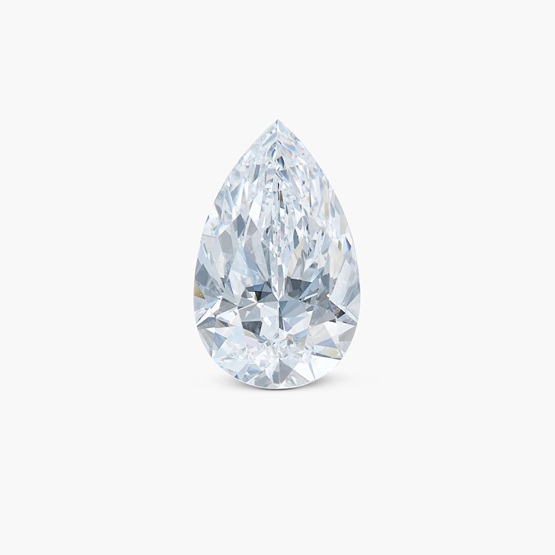
The New York sale brought together a carefully selected collection of exceptional natural diamonds, emphasizing rarity, skilled artistry and documented provenance. Among the offerings were two pear-shaped diamonds of D-color quality, as well as a standout 11.33-carat old-mine brilliant-cut stone of D-color classification and Type IIa designation.
Throughout the auction series, organisers framed diamonds not merely as luxury commodities but as vessels of cultural significance. These stones, formed over billions of years, carry within them geological narratives alongside the human stories they accumulate—representing love, personal achievement and individual identity across different societies and eras.
The Hong Kong leg highlighted the region's deep connection to diamond trading heritage and symbolic meaning. That sale included a 3.03-carat pear-shaped diamond ring and diamond earrings totaling 4.01 carats. The centrepiece was the De Beers Jwaneng 28.8, a 28.88-carat brilliant-cut diamond graded D-color, flawless, and Type IIa.
Geneva's auction emphasised the collector's perspective and connoisseurship traditions. Featured pieces included a 1.10-carat light pink oval-cut diamond, a 1.06-carat very light pink stone, and an exceptionally matched pair of brilliant-round diamonds weighing 18.38 carats each—one D-color flawless, the other internally flawless.
A notable shift in diamond purchasing patterns emerged across the series. Women now account for nearly half of global diamond purchases, increasingly buying for themselves rather than receiving them as gifts. This trend reflects a broader transformation in how diamonds are valued—increasingly as personal statements of autonomy and self-determination rather than purely as investments or conventional adornments.
The collaboration also carried a conservation dimension, with Peace Parks designated to receive a portion of auction proceeds, linking the diamonds' origin landscapes with meaningful environmental and community contributions.
Compare options