Rangareddy Launches Coordinated Campaign Against Counterfeit Seeds
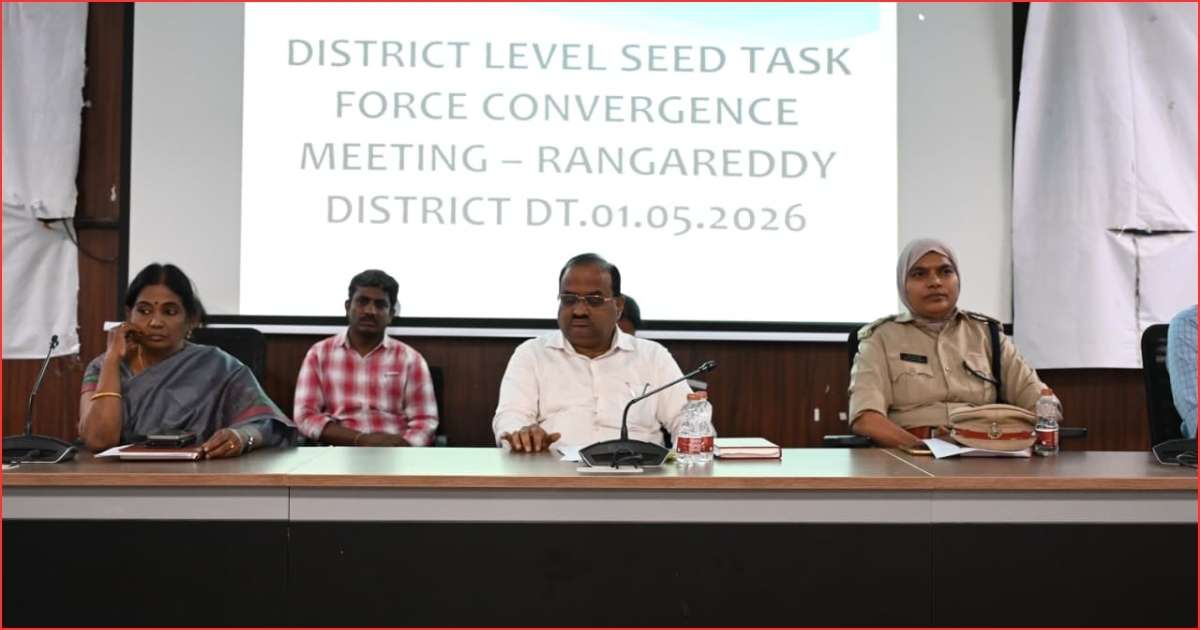
Rangareddy district has initiated a comprehensive crackdown on counterfeit seeds, with authorities convening a task force meeting to put in place rigorous enforcement mechanisms aimed at eliminating fraudulent seed sales throughout the region.
The initiative reflects Telangana's broader commitment to establishing the state as a fake seed-free zone. During the meeting, officials charted out concrete steps to intensify monitoring and tighten enforcement protocols.
The task force brings together representatives from the agriculture department, police, seed corporations, and the transport department. To operationalize the campaign, authorities have constituted three district-level enforcement teams, six divisional units, and 26 teams at the mandal level.
Current landscape and vulnerable crops
The district currently operates 474 retail seed outlets, nine seed processing facilities, and 224 licensed seed dealers. Cotton and chilli cultivation have emerged as particularly vulnerable to counterfeit seed infiltration.
Officials have defined fake seeds broadly to encompass unlicensed production, illegal distribution channels, and improperly labeled packaging. The definition also extends to expired seeds and those of substandard quality.
Multi-pronged enforcement strategy
The task force has decided to undertake thorough inspections throughout the crop-growing season. Sampling of seeds for laboratory testing will be conducted regularly, while border surveillance will be strengthened to prevent smuggling of spurious seeds into the district.
Those found violating regulations will face legal action under relevant statutes, including provisions related to fraud and the essential commodities framework.
Farmer education as complementary measure
Alongside enforcement action, authorities have underscored the importance of raising awareness among farming communities. Officials have advised cultivators to source seeds exclusively from authorized retail outlets and maintain purchase receipts.
Warnings have been issued against procuring seeds from informal or unregistered sellers. Training sessions will be organized through farmer networks to equip them with knowledge to distinguish authentic seeds from counterfeits and recognize deceptive practices.
Concerns over herbicide-tolerant varieties
The meeting also addressed the issue of herbicide-tolerant cotton seeds, which are genetically modified organisms that lack approval from the central government. Cultivation of such varieties contravenes environmental protection legislation, and farmers risk substantial penalties for non-compliance.
Officials have also cautioned against the application of chemicals like glyphosate, citing potential hazards to human health and ecological systems.
Path forward
Officials stressed that enforcement action alone would prove insufficient in tackling the problem. Success in curbing fake seeds will depend equally on active cooperation from the farming community in adhering to prescribed purchasing practices and reporting violations.
Compare options