Quality Education and Healthcare Essential for Viksit Bharat Vision, Says Telangana CM

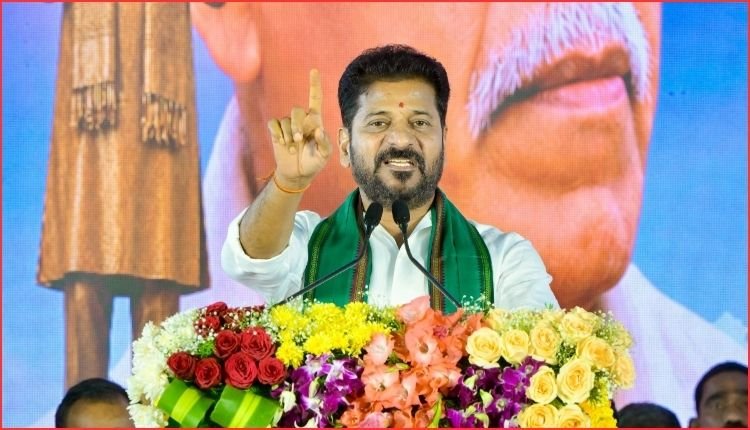
Hyderabad: Telangana Chief Minister A. Revanth Reddy has underscored that India can realise its Viksit Bharat aspirations only by ensuring quality education and robust healthcare systems reach all citizens.
Speaking at the 11th NITI Aayog Governing Council meeting in New Delhi, presided over by Prime Minister Narendra Modi, Revanth Reddy identified education and healthcare as pillars of sustainable national progress. He called for comprehensive educational reforms, expanded skill development initiatives, and investment in modern infrastructure.
The Chief Minister emphasized that citizen welfare forms the bedrock of national advancement, with education and healthcare serving as catalysts for economic participation and nation-building. He cited findings from Telangana's 2024 Socio-Economic, Educational, Employment and Political Caste Survey, which examined data from 3.55 crore individuals across 242 castes. The survey identified education as the predominant factor contributing to social disadvantage, with wealth and land possession playing comparatively minor roles. This finding reinforces the urgency of guaranteeing equitable access to quality education as a prerequisite for achieving the Viksit Bharat objective.
The Telangana government has implemented several measures to strengthen public education infrastructure. These include introducing English-medium schooling, establishing digital learning facilities, and enhancing teaching quality across state schools. The administration has also expanded welfare provisions for students, encompassing complimentary breakfast services, midday nutrition programmes, evening refreshments, transport assistance, and athletic facilities.
Revanth Reddy noted that students now have the option to complete their entire educational journey from nursery through intermediate level within integrated campuses. He expressed optimism that the state's Young India Schools initiative would foster social cohesion by diminishing caste-based disparities while simultaneously broadening educational accessibility across communities.
Compare options