Bhatti Vikramarka Highlights Telangana's Waste Management Strategy at National Swachh Bharat Review
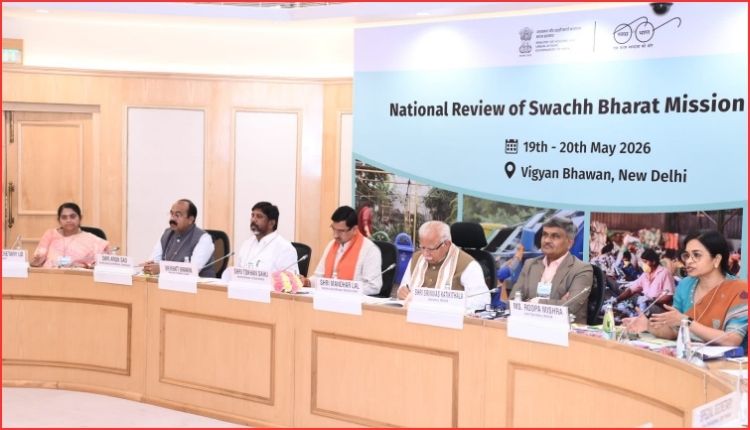
Hyderabad: Deputy Chief Minister Bhatti Vikramarka participated in a two-day national review meeting focused on "Swachh Bharat Mission–Urban 2.0" held at Vigyan Bhavan in New Delhi on Tuesday. Union Minister for Housing and Urban Affairs Manohar Lal Khattar formally opened the proceedings, which brought together officials to examine approaches for enhancing urban sanitation infrastructure, cleanliness standards and solid waste management across India's cities.
The first day of deliberations covered key areas including urban sanitation practices, mechanisms for waste collection, and methods for scientifically processing waste materials. Participants also examined strategies for remediating legacy dump sites, harnessing waste-to-energy potential, exploring public-private partnership models, and implementing the recently introduced Solid Waste Management Rules. Throughout the meeting, various states and urban centres presented their accomplishments and lessons learned in managing municipal waste.
Telangana's Approach to Waste Management
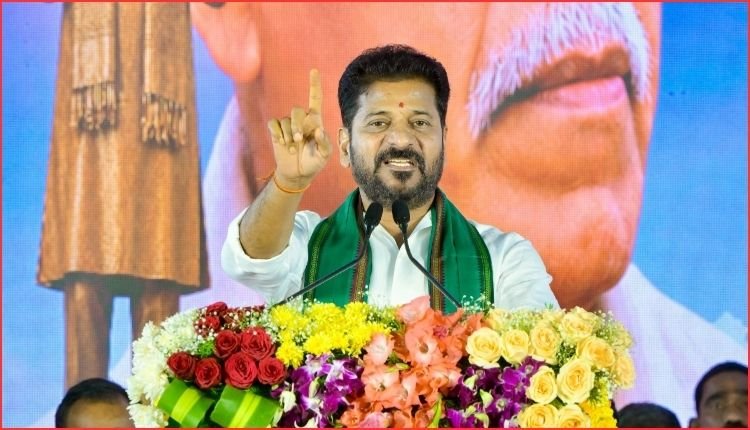
During his address, Bhatti Vikramarka outlined Telangana's approach to scientific waste management and its broader sustainable urban development agenda. He emphasized that the state government, under Chief Minister Revanth Reddy's direction, is pursuing an environmentally sustainable pathway while advancing development goals through the Telangana Vision–2047 framework.
The Deputy Chief Minister explained that this development model, known as CURE, PURE and RARE, balances growth across three distinct zones: Core Urban Regions, Peri-Urban Regions and Rural Agricultural Regions, ensuring equitable progress across different geographical areas.
Beyond Traditional Waste Management
Bhatti Vikramarka stressed that modern waste management extends far beyond the conventional collection and disposal functions. He positioned solid waste management as integral to climate action, environmental stewardship, job creation and economic growth. The Centre's new Solid Waste Management Rules–2026, he noted, represent a significant shift in how the waste management sector operates across the country.
The revised regulatory framework emphasizes four-way source segregation at the point of origin, decentralized processing of waste, and scientific restoration of abandoned dump yards. Additional priorities include promoting waste-to-energy initiatives, deploying technology for real-time monitoring, advancing circular economy principles, establishing accountability at the ward level, and fostering community engagement in sanitation efforts.
Bhatti Vikramarka indicated that Telangana had already begun implementing many of these measures ahead of the formal adoption of the new rules.
Electric Vehicles and Smart Monitoring
A significant component of Telangana's waste management modernization involves the introduction of approximately 9,596 electric Swachh Auto Tippers across core urban zones. These vehicles are designed to substantially lower carbon emissions from municipal waste collection operations, contributing to cleaner and more sustainable urban transport systems.
Each vehicle features dedicated compartments to support the four-way segregation of waste at the source. The state is also deploying QR-code tracking systems to enhance the efficiency and transparency of door-to-door waste collection operations.
Compare options