Hyderabad Transport Department Tightens Rules at Test Tracks and Offices
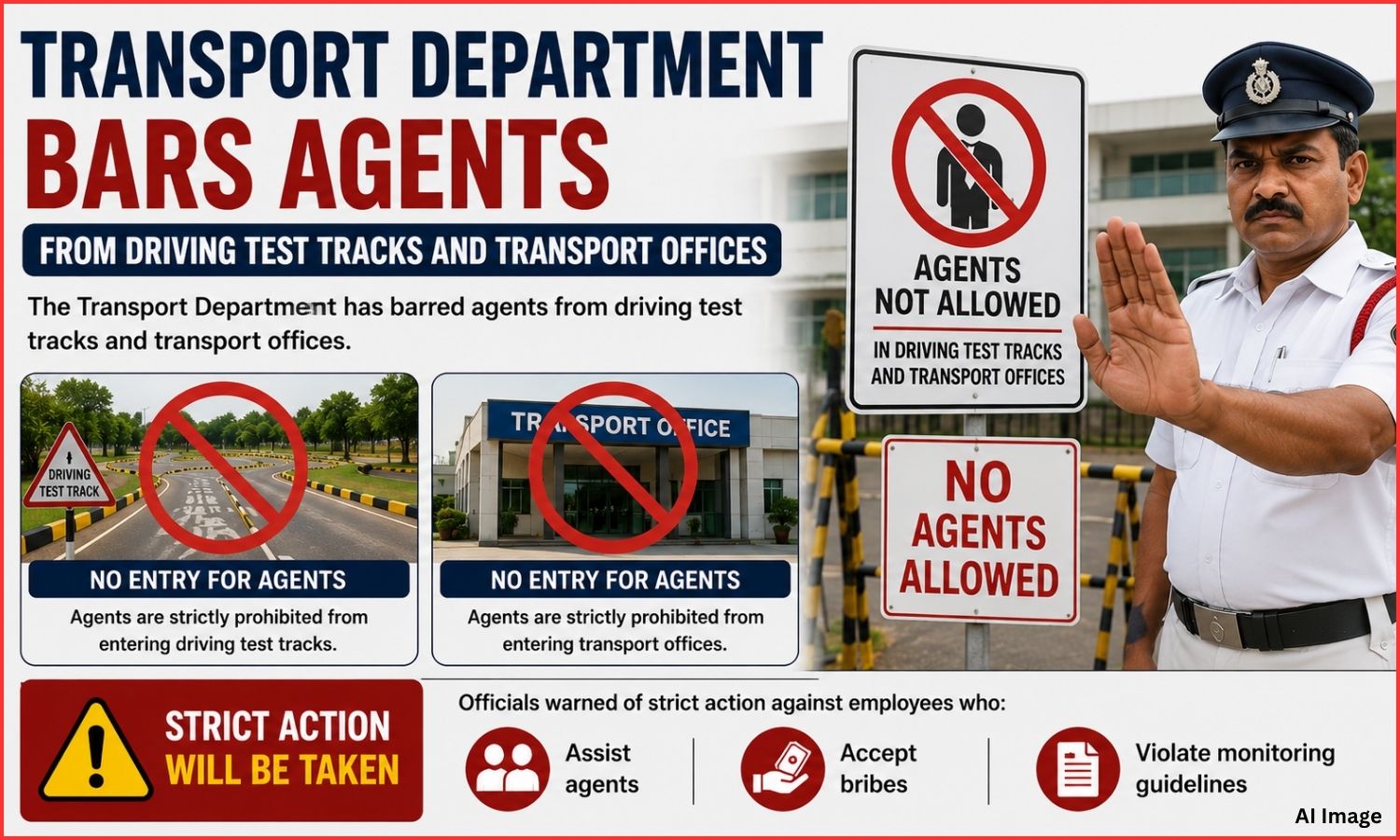
Hyderabad's Transport Department has rolled out a comprehensive set of reforms aimed at strengthening oversight at driving test tracks and transport offices while clamping down on corrupt practices.
The new directives come in response to investigations into alleged misconduct within transport offices, including reports that certain staff members had been using coded signals to tip off colleagues about surprise vigilance checks. Joint Transport Commissioner M. Chandrasekhar Goud, heading the department's Vigilance wing, announced these measures on Monday.
Stricter Verification and Personal Attendance Requirements
Under the new framework, applicants are required to appear in person for their driving tests on the assigned date. Motor Vehicle Inspectors have been tasked with verifying the identity of each test-taker prior to commencing the examination. Officials are permitted to utilise Aadhaar or other legitimate government-issued identification documents for this verification process.
Enhanced Monitoring and Surveillance
Transport offices and test centres must now display prominent signage prohibiting entry to private agents. Examiners have been instructed to conduct comprehensive driving assessments that evaluate applicants' ability to control vehicles, demonstrate reversing proficiency, maintain proper lane discipline, and adhere to traffic regulations.
All surveillance systems at testing facilities and transport offices must remain operational at all times. The department has warned that officials will face consequences if agents gain access to restricted zones or if monitoring equipment is damaged or disabled.
Strict Enforcement and Accountability
The department has explicitly prohibited brokers, private agents, and driving school representatives from accessing test tracks and office premises. Chandrasekhar Goud cautioned that employees accepting bribes will face immediate suspension, as will staff members who facilitate agents in any capacity.
Staff have been instructed to refrain from using codes, signals, or numerical sequences to alert colleagues about inspections or visits by Anti-Corruption Bureau teams and senior officials. Local officers will be held accountable for implementing these new rules, and all offices are required to submit compliance reports to the department by the 15th of each month.
Compare options


