Shade Net Farming Transforms Livelihoods in Yavatmal's Drought-Prone Region
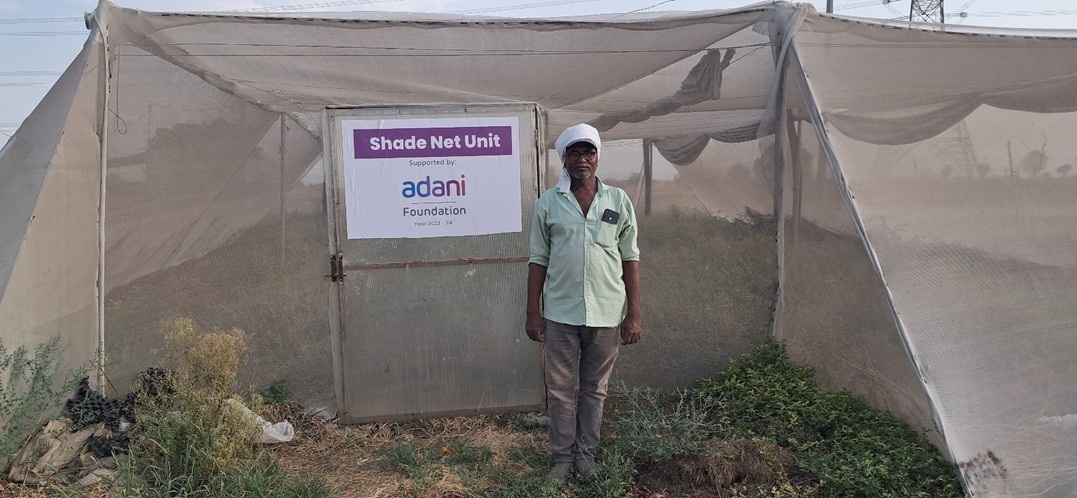
In Yavatmal district's drought-prone landscape, where temperatures soar to 42°C and farming depends heavily on unreliable monsoons, a collaborative initiative between ACC and Adani Foundation is introducing protective cultivation methods to shield farmers from climatic uncertainties.
The partnership focuses on enabling small-scale cultivators to adopt shade net–based protected farming systems, designed to boost incomes while reducing vulnerability to unpredictable weather. The effort forms part of broader sustainable livelihood programmes tailored to the region's specific agricultural challenges.
Yavatmal's farming community has long struggled with extreme heat and water scarcity, making traditional open-field cultivation a precarious venture marked by frequent crop failures. Recognising these structural vulnerabilities, Adani Foundation has developed interventions centred on climate-adaptive agricultural practices suited to local conditions.
One beneficiary exemplifies the programme's potential. Vinod Balakrishna There, a farmer from Paramdoh village in Wani block, previously supported his family through cotton cultivation on 1.75 acres, generating approximately ₹1.5 lakh annually despite significant weather-related risks.
In 2023–24, the Foundation installed a shade net structure across 0.1 acres of his holding and provided hands-on training in nursery management and crop cultivation techniques. This protected environment enabled There to shift towards high-value crop production, specifically growing chilli, tomato, and brinjal seedlings for commercial distribution, alongside onion cultivation.
The controlled microclimate within the shade net has yielded tangible benefits. Germination rates have improved substantially, heat-induced crop stress has diminished, and overall losses have declined, permitting continuous production and steady market uptake from surrounding villages.
On his remaining 1.6 acres, There continues cultivating chilli and maize using Foundation-promoted improved agricultural methods, maintaining productivity across his landholding.
The combined approach has dramatically reshaped his economic position. The shade net unit now generates approximately ₹1.5 lakh annually, while open-field farming contributes ₹2.5 lakh, bringing his total yearly income to around ₹4 lakh—nearly tripling his previous earnings.
The case illustrates how targeted, climate-smart interventions can stabilise farm incomes, mitigate agricultural risks, and establish enduring livelihood security for smallholder farmers operating in climatically vulnerable regions.
Compare options


