Horror Breaks Into Mainstream: Five Festivals Leading India's Genre Revival
Horror has traditionally occupied marginal spaces in India—relegated to cinema screens, late-night television slots, and small online communities. That landscape is shifting rapidly. A surge of festivals, pop-up events, and immersive experiences is pushing the genre into the centre of India's cultural conversation. The momentum stems from a straightforward demand: audiences increasingly crave participatory, high-intensity experiences, and horror naturally provides this in abundance. Whether through fan-driven conventions or seasonal celebrations, the genre is carving out a substantial position within India's live entertainment sector.
HorrorCon
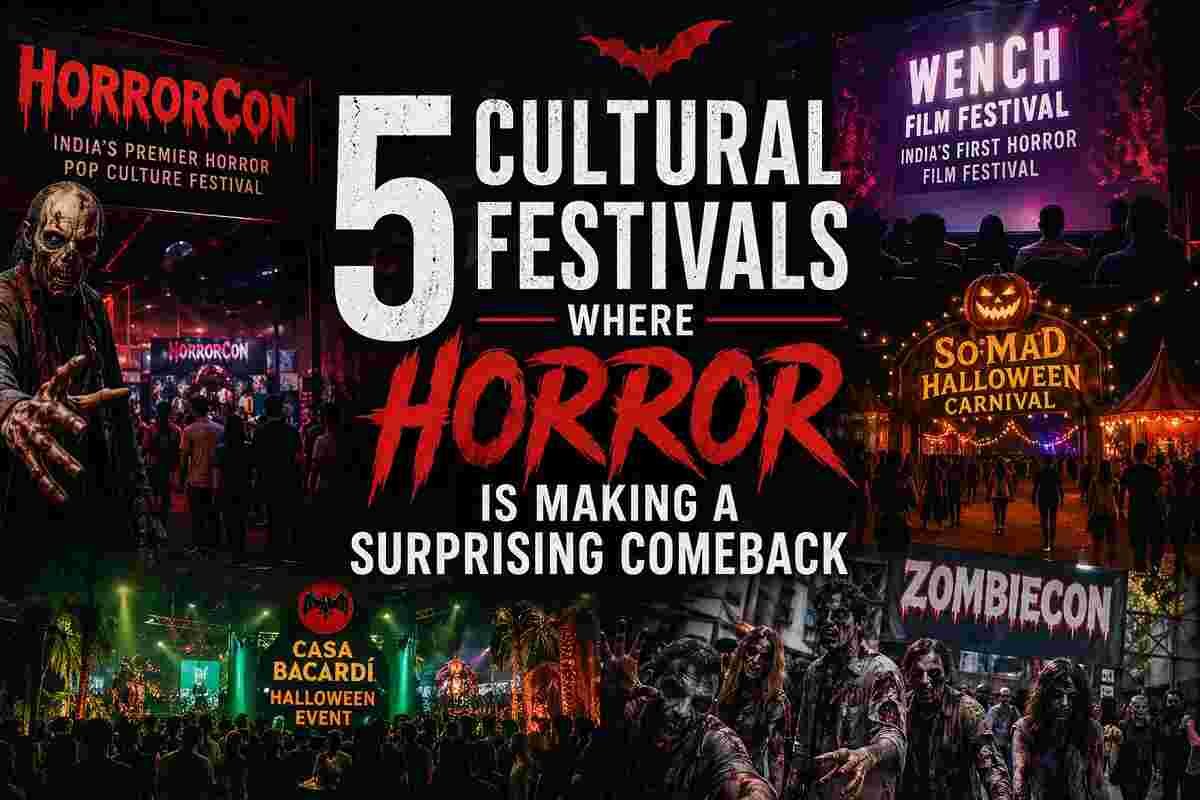
Founded by The Mad Virus in 2024, HorrorCon represents the cornerstone of India's developing horror landscape. It claims the distinction of being the nation's first major immersive horror pop-culture festival. Built upon the established digital community of Khooni Monday, the event transforms online engagement into tangible, in-person experiences. The festival combines live narrative performances, participatory installations, cosplay competitions, and direct creator involvement—demonstrating how horror has evolved beyond passive viewership into an interactive cultural form within India.
Wench Film Festival
The Wench Film Festival holds significance as India's inaugural horror film festival dedicated to independent filmmakers. Operating across metropolitan centres including Mumbai, it presents experimental horror works, psychological thrillers, and unconventional dark storytelling that mainstream distribution channels typically overlook. The festival's expanding attendance reveals an emerging appetite for sophisticated, nuanced horror narratives distinct from commercial mainstream productions.
SoMAD Halloween Carnival
Events such as the SoMAD Halloween Carnival are repositioning Halloween from a peripheral observance into a substantial cultural phenomenon across India. Through elaborate themed environments, costume-centred activities, and immersive party spaces, these carnivals merge entertainment with horror-based experiences. They exemplify how international cultural practices are being adapted to local contexts, with horror functioning as the primary experiential element.
CASA BACARDÍ Halloween Event
Organised by Homegrown, CASA BACARDÍ's Halloween programming demonstrates corporate investment in horror-themed cultural initiatives. These gatherings integrate musical performances, artistic installations, and immersive horror components designed to generate dynamic, youth-oriented atmospheres. The development underscores a fundamental transformation: horror transcends pure entertainment to function as a deliberate cultural and commercial strategy.
Zombiecon
Zombiecon operates at the intersection of horror and fan participation, assembling enthusiasts through cosplay events, zombie-themed processions, and interactive experiences. Its defining characteristic lies in active audience involvement rather than passive attendance—participants become integral to the event itself. This community-centred model reveals a significant shift: horror fandom in India has moved beyond isolated consumption toward social, visible, and increasingly public expression.
Momentum Across Multiple Platforms
The resurgence of horror in India manifests not through a single avenue but across interconnected spaces—from dedicated film festivals and convention circuits to brand-orchestrated experiences and calendar-based celebrations. The common thread connecting these developments is fundamental: consumer preferences have shifted toward immersive, emotionally resonant formats, and horror delivers this with distinctive force. As intellectual properties and cultural institutions expand their investment in this space, horror continues its trajectory from peripheral status toward integration within India's mainstream live entertainment economy.
Compare options